

Views: 0 Author: Site Editor Publish Time: 2025-12-11 Origin: Site


When it comes to quilting, whether for hobbyists or industrial manufacturers, selecting the right quilting machine is crucial. The quality, speed, and precision of your machine directly affect the final product, making it essential to choose a machine that fits both your technical requirements and budget. Among the various types of quilting machines, the Shuttle Hook and Rotary Hook mechanisms are two of the most widely used. Both of these hook systems play an essential role in the quilting process, but they work in significantly different ways.
At Yiboda Industrial Co., Ltd., we specialize in providing high-quality quilting machines that cater to a range of industrial needs. In this article, we will explore the differences between Shuttle Hooks and Rotary Hooks from the perspective of cost-effectiveness, machine performance, and overall value for money. We will delve into the advantages and disadvantages of each hook system, allowing you to make an informed decision about which quilting machine suits your specific needs.
Before we dive into the differences between Shuttle and Rotary Hooks, it’s important to understand what a hook mechanism is and its role in a quilting machine. The hook mechanism in a quilting machine works in conjunction with the needle to form a stitch. As the needle penetrates the fabric, the hook catches the thread coming from the needle and forms a loop. This loop is then interlocked with the lower thread to create the stitch. The efficiency, speed, and precision of this process depend on the type of hook mechanism used in the machine.
The Shuttle Hook is one of the oldest and most traditional types of hook systems used in sewing machines, including quilting machines. It is commonly found in vintage models as well as in high-end industrial machines.
In a shuttle hook system, the shuttle moves back and forth around the bobbin case to pick up the needle thread and form the stitch. The movement is relatively slow, and while it allows for smooth and consistent stitching, it has its limitations in terms of speed and efficiency.
The Rotary Hook system, on the other hand, is a more modern design and is often found in newer quilting machines. It works by using a rotating hook that continuously moves around the bobbin case, picking up the needle thread to form the stitch. This rotary motion allows for much faster stitching speeds and greater efficiency compared to the shuttle hook system.
Rotary hooks are typically used in high-speed quilting machines because of their ability to perform at high production rates without sacrificing stitch quality. This system is highly favored in mass production settings, where speed and precision are essential.
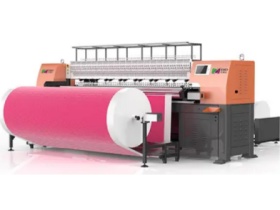
One of the most notable differences between Shuttle Hooks and Rotary Hooks is their stitching speed and overall efficiency.
Shuttle Hooks: Because the shuttle has to move back and forth to catch the needle thread, the speed of the stitching process is relatively slower compared to rotary hooks. This can limit production speeds, especially for industrial applications where high-volume stitching is required. However, Shuttle Hooks are still popular in certain specialized or traditional quilting applications where the quality of the stitch is more important than speed.
Rotary Hooks: Rotary Hooks are known for their high-speed performance. The continuous rotary motion allows these machines to stitch faster without compromising on the quality of the stitch. This is a significant advantage for commercial quilting machines or factories that need to produce large quantities of quilts, bedspreads, or other textile products in a short amount of time. For projects that require high-speed production, rotary hooks are the preferred choice.
From a cost-effectiveness perspective, while Shuttle Hooks may be slower, they may still be suitable for smaller-scale or more detailed quilting tasks where stitching speed isn’t as critical. However, for large-scale commercial or industrial operations where speed directly impacts productivity, Rotary Hooks are more cost-effective over time due to the faster cycle times.
Both Shuttle and Rotary Hooks are capable of producing high-quality stitches, but there are subtle differences in how they operate.
Shuttle Hooks: These systems are known for their smooth, precise stitching. Since the shuttle hook system is more mechanical in nature, it tends to work well with heavier fabrics and multiple layers of material. This makes shuttle hook machines a great option for custom quilting or crafts where consistency and stitch quality are paramount. However, the slower movement of the shuttle hook can sometimes cause minor variations in stitch uniformity over long runs, especially at high speeds.
Rotary Hooks: Rotary Hook systems are generally better at maintaining consistent stitching at high speeds. The rotating motion creates a more uniform stitch across the fabric, even when stitching through multiple layers or thicker fabrics. This consistency is crucial for industrial applications where precision is key and large volumes of textile products are being produced. The rotary hook system can also handle a wider range of thread types and fabrics, making it a more versatile option in many cases.
In terms of stitch quality, the rotary hook provides superior consistency, particularly in high-speed or high-volume environments. However, if your project requires extremely detailed, intricate designs or specific decorative stitching, you might find that shuttle hook systems provide slightly better control, particularly when dealing with fine or delicate fabrics.
Shuttle Hooks: Shuttle hooks are often simpler mechanically and, as a result, may require less frequent maintenance. They are typically durable and can withstand extended use if properly maintained. However, because the shuttle must travel back and forth, the increased movement can sometimes lead to wear on the parts over time, which could require occasional adjustments.
Rotary Hooks: While rotary hooks are more efficient and offer faster performance, they have more moving parts due to the rotating mechanism. As a result, they may require more frequent maintenance and careful attention to ensure everything remains properly lubricated and adjusted. However, modern rotary hook machines are built for durability and efficiency, and with proper care, they can offer long-lasting performance in high-volume production environments.
In terms of cost-effectiveness, the shuttle hook system may be the better choice for those seeking low-maintenance machinery with fewer moving parts. However, for high-output operations, the rotary hook system offers excellent durability when properly maintained, and the faster speeds may outweigh the additional maintenance costs.
Shuttle Hook Machines: Shuttle hook machines are often more affordable, especially for smaller-scale operations or hobbyists. The simpler design and slower speed mean that these machines are usually priced lower than their rotary counterparts, making them an excellent option for those with budget constraints or smaller production volumes.
Rotary Hook Machines: Rotary hook machines typically come with a higher price tag due to the added complexity of the rotating mechanism and their higher-speed capabilities. However, for businesses with high production demands, the initial investment in a rotary hook quilting machine can pay off quickly by reducing production times and increasing output. The speed and efficiency of rotary hook machines make them a better long-term investment for large-scale manufacturers.
If you’re operating on a tight budget, the shuttle hook may be a more cost-effective option for smaller, less demanding projects. However, if your business relies on high-speed, high-volume production, the rotary hook machine will offer greater returns on investment over time.
Choosing between a shuttle hook and a rotary hook depends on several factors, including the scale of your operation, the types of projects you handle, and your budget. Here are some considerations to help guide your decision:
Shuttle Hook Machines: Best suited for smaller operations or projects where precision is important, such as custom quilting, decorative stitching, or working with delicate fabrics. They are ideal for hobbyists or small manufacturers who don’t require high-speed production but want high-quality results on smaller quantities.
Rotary Hook Machines: Best for large-scale operations that require high-speed production and consistent stitch quality across various fabrics. Ideal for businesses focused on mass production, such as car seat cover manufacturers, bedding manufacturers, and large-scale textile operations. If your business involves high-volume production, a rotary hook machine is a better investment in the long term.
Both shuttle hook and rotary hook systems have their unique advantages, and the right choice for your quilting operation depends on your specific needs and objectives. Shuttle hook machines offer a more affordable and low-maintenance option for smaller-scale projects, while rotary hook machines excel in high-speed environments where consistent performance and high-volume production are key.
At Yiboda Industrial Co., Ltd., we understand that choosing the right quilting machine is a significant investment, and we offer a range of high-quality shuttle hook and rotary hook quilting machines designed to meet your specific requirements. Whether you're


