

Views: 0 Author: Site Editor Publish Time: 2025-10-22 Origin: Site


The art of quilting has evolved dramatically over the years, with the integration of technology significantly shaping how quilters approach their craft. One of the most innovative advancements in recent years has been the use of embroidery machines in quilting. These machines offer a seamless blend of traditional techniques with modern automation, allowing quilters to create intricate patterns and designs with much greater speed, precision, and ease.
In this article, we will explore how quilting with an embroidery machine works, its advantages, potential challenges, and how to get started. Whether you're a seasoned quilter or just beginning, understanding the potential of quilting with an embroidery machine can open up new creative possibilities and enhance your quilting projects. We will also examine specific features of popular quilting embroidery machines, such as those offered by leading manufacturers like EBD Industrial Co., Ltd., to help you make an informed decision about incorporating this technology into your quilting process.
A quilting embroidery machine is an advanced piece of equipment that combines the capabilities of a standard sewing machine with those of an embroidery machine. This hybrid function allows quilters to create intricate and detailed designs on quilts while also performing traditional quilting tasks. The primary difference between a regular sewing machine and an embroidery machine is that the latter is capable of stitching more complex patterns, often automatically, with minimal user input.
Quilting embroidery machines are equipped with several key features that make them versatile tools for quilters. These machines use advanced software, multi-needle configurations, and larger hoop sizes, making them ideal for tackling large quilts with precision. The quilting process becomes far more efficient with these machines, allowing you to complete projects that might otherwise take hours or days in a fraction of the time.
Multi-Needle Configuration: Modern quilting embroidery machines are equipped with multiple needles that enable quilters to stitch multi-colored designs without having to change the thread frequently. This feature allows for complex and colorful quilting designs, which can add a high level of detail and vibrancy to your quilts. Machines with up to 10 or more needles reduce downtime and allow for a smoother quilting process.
High-Speed Stitching: One of the standout features of quilting embroidery machines is their ability to stitch at high speeds. Depending on the model, these machines can operate at speeds ranging from 650 to 1,000 stitches per minute, allowing quilters to complete projects much faster than with traditional hand quilting or even using a standard sewing machine.
Larger Hoop Sizes: Quilting embroidery machines often come with larger hoop sizes, which means you can quilt larger areas at once without having to re-hoop the fabric multiple times. Larger hoops are particularly helpful when quilting large quilts, as they allow you to work on bigger sections with greater ease.
Built-in Software and Custom Designs: Many quilting embroidery machines come with built-in quilting designs, allowing users to select from a wide range of patterns, including floral motifs, geometric designs, and more. Additionally, these machines are often compatible with design software that lets you create or import custom quilting designs, providing you with even more creative flexibility.
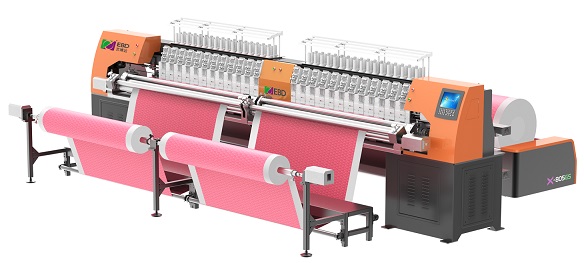
Quilting with an embroidery machine follows a similar process to traditional quilting, but with a few key differences. The machine automates the stitching process, making it easier to achieve precision and consistency, even in complex designs.
Before you begin quilting, you must prepare a quilt sandwich. This consists of three layers: the quilt top, batting, and quilt backing. The quilt top is the decorative layer, the batting provides padding, and the backing forms the foundation layer. The layers must be aligned and securely held in place to prevent shifting during the quilting process. Once your quilt sandwich is prepared, place it into the embroidery hoop.
Next, you will choose a quilting design. Many quilting embroidery machines come with a library of built-in designs, ranging from simple straight lines to intricate, detailed patterns. You can either select a pre-designed pattern from the machine's built-in library or import a custom design using design software. This is where the flexibility of quilting with an embroidery machine truly shines, as you have access to a wide array of design options to match your style and project requirements.
The next step is to place your quilt sandwich into the embroidery hoop. This is a crucial step, as the fabric needs to be taut but not overstretched to ensure smooth stitching. Proper hooping is essential to prevent puckering or fabric distortion during the quilting process. Some embroidery machines come with automatic hoop adjustment systems to ensure the fabric is properly tensioned.
Once the quilt sandwich is securely hooped, you can load your chosen design into the embroidery machine. The machine will automatically begin stitching the design onto the fabric. Some embroidery machines allow you to adjust settings such as stitch density, thread color, and design alignment before starting the stitching process. As the machine stitches, it will move the fabric under the needle in a systematic pattern, following the design you have selected.
If you are quilting a large area, you may need to re-hoop the fabric to quilt other sections. The machine will stitch each section of the quilt according to the design, creating a seamless and uniform pattern across the entire quilt.
Once the embroidery machine has completed the quilting process, remove the quilt from the hoop. Trim any excess fabric and batting around the edges of the quilt. Finally, finish the quilt by adding binding or any other desired finishing touches, such as embellishments or quilt labels.
Quilting with an embroidery machine offers numerous benefits over traditional quilting methods. These advantages make embroidery machines a valuable tool for both hobbyist quilters and professional textile manufacturers.
One of the primary advantages of quilting with an embroidery machine is the level of precision it offers. Unlike hand quilting, where stitch size and placement can vary, embroidery machines stitch with consistent accuracy. This is especially important for complex designs that require uniformity across the quilt. The automated stitching ensures that each stitch is placed exactly where it should be, creating a flawless finish every time.
Embroidery machines can quilt at speeds far higher than hand quilting or traditional sewing machines. What might take hours to complete by hand can often be finished in a fraction of the time with an embroidery machine. This increased speed is a major advantage for quilters who need to complete projects quickly, whether for personal use or commercial purposes.
With embroidery machines, you have access to a wide range of pre-programmed quilting designs, as well as the ability to import custom designs. This flexibility allows you to explore different quilting styles, whether you prefer traditional patterns or more modern, intricate designs. The ability to create custom designs is a huge advantage for quilters who want to add a personal touch to their projects.
Traditional quilting can be physically demanding, especially when it comes to hand quilting or free-motion quilting on a sewing machine. Embroidery machines automate the stitching process, which significantly reduces the physical strain on the quilter's hands, wrists, and shoulders. This makes quilting with an embroidery machine a more comfortable option, particularly for those who quilt for long periods of time.
While quilting with an embroidery machine offers many benefits, there are also a few challenges that quilters should be aware of before diving in.
One of the main limitations of quilting with an embroidery machine is the size of the embroidery hoop. Most embroidery machines have a hoop size that limits the size of the quilt sections you can quilt at one time. This means that for larger quilts, you will need to quilt in sections and re-hoop the fabric. While this isn't necessarily a dealbreaker, it can add extra time to the quilting process.
Embroidery machines come with a variety of features and settings, which can be overwhelming for beginners. Quilters who are new to embroidery machines may face a learning curve as they familiarize themselves with the machine's functions, such as selecting designs, adjusting settings, and hooping fabric properly. However, with practice and resources like tutorials and user manuals, the learning curve can be overcome.
High-quality embroidery machines can be expensive, particularly those with advanced quilting capabilities. The initial investment may be a significant barrier for some quilters, especially those who are just starting or those who only quilt occasionally. However, for those who quilt regularly or run a quilting business, the investment may be worth the cost in the long run, as it can speed up production and improve the quality of the finished quilt.
If you're interested in quilting with an embroidery machine, here are some steps to help you get started:
The first step is to select an embroidery machine that suits your quilting needs. Look for a machine that offers a large hoop size, high-speed stitching, and customizable design options.
Once you have your embroidery machine, take the time to familiarize yourself with its features. Watch tutorials, read the manual, and practice stitching on scrap fabric before starting your quilt project. This will help you understand how to use the machine effectively and avoid mistakes during the quilting process.
Start with smaller quilt projects to practice quilting with your embroidery machine. This will give you a chance to get comfortable with the machine's settings and stitching techniques before moving on to larger, more complex quilts.
There are plenty of online resources, including tutorials, forums, and quilting blogs, that can help you learn more about quilting with an embroidery machine.
Quilting with an embroidery machine is a game-changer for quilters who want to streamline the quilting process while maintaining precision and creativity. Whether you're quilting for fun or running a quilting business, these machines offer numerous benefits, from increased speed and efficiency to enhanced design flexibility. While there are some challenges to consider, such as the learning curve and the cost of the machine, the advantages far outweigh the drawbacks. By investing in an embroidery machine and mastering its features, you'll be able to take your quilting projects to the next level.
If you're ready to explore the world of quilting with an embroidery machine, check out the options offered by EBD Industrial Co., Ltd.. Their high-quality quilting embroidery machines are designed to make your quilting experience more efficient and enjoyable.
Yes, but you may need to quilt it in sections due to the limited size of the embroidery hoop. Most embroidery machines can only handle small to medium-sized areas at once.
To avoid puckering, make sure that the quilt sandwich is properly hooped and that the fabric is taut but not overstretched. Additionally, check your machine's tension settings to ensure they are not too tight, as this can lead to fabric distortion.
Yes, quilting needles are recommended for quilting with an embroidery machine. These needles are designed specifically for use with multiple layers of fabric and batting, preventing damage to the fabric and ensuring smooth stitching.
You can use a variety of designs, including built-in designs, custom designs, and designs from external sources. Many embroidery machines allow you to upload your own designs, giving you even more creative control.
The time varies depending on the size of the quilt, the complexity of the design, and the stitching speed of the machine. However, embroidery machines are generally much faster than hand quilting or traditional machine quilting.
Quilting with an embroidery machine is faster and more precise, but it lacks the personal touch that hand quilting offers. Hand quilting can also create unique, custom textures that may not be achievable with an embroidery machine.


