

Views: 0 Author: Site Editor Publish Time: 2025-10-21 Origin: Site


Sewing and quilting are two of the most popular and rewarding crafts, both involving the use of fabric and thread to create beautiful and functional items. While they share some similarities, the tools used for each—sewing machines and quilting machines—are tailored to specific tasks and have unique features that make them ideal for their respective projects.
Sewing machines and quilting machines often get confused due to their similar appearance and functionality. However, they are optimized for different types of projects, and understanding the differences is key to choosing the right machine for your needs. Whether you are just starting out in the world of sewing and quilting or are an experienced crafter looking to upgrade your tools, understanding these distinctions will allow you to pick the right machine that will enhance your crafting experience.
In this article, we will dive deep into the distinctions between sewing machines and quilting machines. We will explore their functions, design features, and suitability for various projects. Whether you are a beginner trying to decide between the two or an experienced crafter looking to upgrade your equipment, understanding the key differences will help you make the right choice.
A sewing machine is a versatile tool designed for stitching fabric together using a needle and thread. The invention of the sewing machine revolutionized the textile industry by dramatically increasing the speed and efficiency of fabric stitching. Modern sewing machines come in a wide variety of models, ranging from mechanical models that require manual adjustments to computerized machines that allow for more advanced functionality, including automated stitches and embroidery.
Sewing machines are essential tools for creating a wide range of projects, from clothing and accessories to home décor and crafts. They are capable of handling different fabric types, from lightweight cotton to heavier materials such as denim or leather.
In fact, the sewing machine is one of the most basic and indispensable tools in the world of crafting, used by professionals, hobbyists, and home sewers alike. It has evolved over time, and today’s models come with sophisticated features, allowing users to execute different types of stitches, perform embroidery, and handle a variety of fabrics. While they are primarily used for stitching together two pieces of fabric, they also offer a broad range of possibilities, depending on the machine's design and functionality.
Compact and Lightweight: One of the key benefits of a sewing machine is its portability. They are generally more compact and lightweight compared to quilting machines, making them easier to move and store. This portability makes sewing machines ideal for small sewing spaces or for people who take their sewing on the go. Whether you’re sewing in your living room, sewing room, or even at a friend’s house, a sewing machine is easy to transport.
Variety of Stitch Options: Sewing machines come equipped with a wide array of stitches, including straight, zigzag, decorative, and buttonhole stitches. Some advanced models may even offer overlocking stitches and embroidery stitches, which are useful for more specialized tasks. This variety allows the user to tackle everything from basic hems to complex embellishments, making it perfect for all kinds of sewing projects.
Adjustable Settings: Most sewing machines allow users to adjust settings such as stitch length, width, and tension. These adjustments enable users to fine-tune their stitching for various fabric types and project requirements. Whether you're sewing delicate silk or thick denim, these customizable settings ensure smooth, professional results every time.
Accessory Attachments: Many sewing machines come with a selection of accessory attachments, such as a walking foot, zipper foot, or quilting foot. These attachments expand the machine's versatility, allowing it to perform different tasks, such as inserting zippers, attaching buttons, or sewing through multiple layers. Having the right attachment can be a game-changer when tackling specific tasks, especially for those who work on a wide variety of projects.
Speed Control: Sewing machines generally offer a variable speed control, allowing users to slow down or speed up the stitching process depending on the task at hand. This feature is especially useful for more intricate tasks that require precision, such as sewing along curved edges. It also provides flexibility for both beginners and advanced users.
Garment Construction: One of the most common uses of a sewing machine is creating clothing. Whether you are sewing a simple T-shirt, a custom dress, or a pair of pants, a sewing machine can handle the necessary stitching tasks with ease. It’s an essential tool for anyone who sews clothes, as it allows for fast, consistent stitching.
Home Décor: Sewing machines are frequently used for creating home décor items such as curtains, pillowcases, tablecloths, and bedspreads. These items often require a combination of straight stitching, hems, and decorative stitching, all of which can be easily accomplished with a sewing machine. For those who enjoy home projects, a sewing machine is an essential investment.
Alterations and Repairs: If your clothes have a hole, missing button, or torn seam, a sewing machine can quickly repair them. Whether it's hemming pants or patching a tear, sewing machines are an essential tool for maintaining and altering garments. It saves you the time and cost of going to a tailor for minor fixes.
Crafts and Embellishments: Sewing machines are perfect for creating unique crafts and embellishments. From quilting small projects like table runners to adding decorative appliqué designs on bags or accessories, a sewing machine is a valuable asset for any crafter. It opens the door for countless creative possibilities.
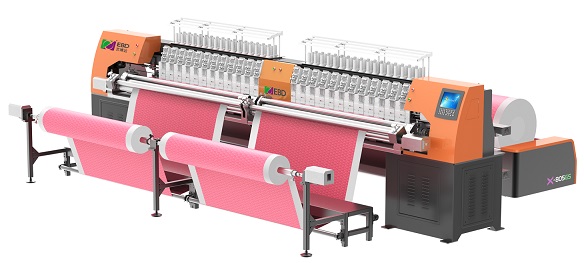
A quilting machine is a specialized type of sewing machine designed specifically for quilting—a technique that involves stitching together multiple layers of fabric and batting to create a quilt. While a regular sewing machine can be used for quilting, quilting machines offer specialized features that make the quilting process faster and more efficient, especially for larger quilts or intricate patterns.
The quilting machine was specifically designed to handle the complexity of quilting, including handling thick layers of fabric, creating detailed stitching patterns, and working with larger quilts. Unlike traditional sewing machines, quilting machines are often larger, more powerful, and feature additional capabilities that enhance the quilting process. These machines allow users to produce professional-quality quilts in less time, even with complex designs.
Longer Throat Space: One of the most significant advantages of a quilting machine over a regular sewing machine is the larger throat space. This extended space between the needle and the body of the machine allows quilters to work on large sections of fabric without having to constantly adjust and shift the quilt. It is especially useful when quilting full-size quilts, comforters, or large patchwork projects. Quilters no longer need to worry about having to constantly reposition the fabric as they sew.
Faster Stitching Speed: Quilting machines are designed to stitch at a higher speed, enabling quilters to complete large projects more efficiently. The faster stitching speed also ensures that the quilting process is uniform and consistent, which is crucial when working on a large quilt that requires many stitches. This speed reduces time spent on stitching large areas while maintaining quality.
Advanced Feed Systems: Quilting machines often come with an advanced feed system, such as a walking foot or dual-feed mechanism, that allows fabric to move through the machine evenly. This is particularly important when working with thick layers of fabric and batting, which can be challenging to sew with a standard sewing machine. These feed systems ensure that all layers move together smoothly, minimizing the chances of fabric bunching or shifting.
Free Motion Quilting Capability: Many quilting machines offer free-motion quilting capabilities, allowing quilters to create intricate and custom stitching designs. This feature is ideal for creating patterns like stippling, swirls, and meandering stitches, which are common in quilted projects. Free-motion quilting offers complete creative control over the stitching process, enabling quilters to add unique designs to their quilts.
Durability and Stability: Quilting machines are built with heavy-duty components designed to handle the demands of quilting, particularly when working with multiple layers of fabric. The added stability of quilting machines reduces vibrations, ensuring smooth and precise stitching even during long hours of work. This is crucial for quilting large projects where consistent stitch quality is essential.
Piecing Quilt Tops: Quilting machines are ideal for sewing together fabric pieces to form the quilt top. The advanced feed systems help ensure that fabric layers are aligned and sewn together accurately. With the large throat space and fast stitching speed, quilting machines are designed to handle the large pieces of fabric used in quilt tops.
Quilting Layers: A key function of a quilting machine is stitching through the quilt top, batting, and backing. The machine's enhanced feed system and larger throat space allow quilters to stitch through multiple layers of fabric effortlessly. This is especially beneficial for quilters working with thick materials or multiple layers of batting.
Creating Quilting Designs: Many quilting machines feature specialized quilting stitches, which allow quilters to create beautiful, intricate designs. These machines may also support free-motion quilting, which gives quilters complete creative control over their stitching patterns. Whether you're adding custom patterns or following pre-programmed designs, a quilting machine ensures precise results.
Finishing Quilts: After the main quilting is done, quilting machines can be used to add borders, stitch bindings, and finish quilt edges. The machine's ability to handle thick layers ensures that these final steps are completed neatly and efficiently. Quilting machines make it easy to complete the quilt from start to finish without the need for additional tools or machines.
Feature | Sewing Machine | Quilting Machine |
Throat Space | Smaller throat area | Larger throat area |
Sewing Speed | Standard speed | Higher speed for efficiency |
Feed System | Standard feed dogs | Advanced feed systems (e.g., walking feet) |
Stitch Options | Variety of stitches | Specialized quilting stitches |
Machine Stability | Suitable for light to medium projects | Enhanced stability for heavy-duty quilting |
Portability | Lightweight and portable | Larger and heavier |
Price Range | Generally more affordable | Higher price due to specialized features |
One of the major advantages of a quilting machine over a regular sewing machine is the speed and efficiency at which it operates. Quilting machines are designed to handle large projects with faster stitching speeds, meaning quilters can finish large projects in less time without sacrificing precision. They also tend to have better mechanisms for handling thick fabrics and multiple layers, making them the ideal choice for quilting larger and more complex projects.
Sewing through multiple layers of fabric can be challenging for a regular sewing machine. Quilting machines are designed to handle the thick layers of fabric and batting used in quilts. Their larger feed dogs and adjustable presser feet make it easier to manage the bulk, ensuring even stitching across all layers.
While sewing machines typically offer basic stitches, quilting machines come with specialized quilting stitches, such as stippling or free-motion patterns. These specialized stitches are essential for adding texture and detail to quilts, making them a valuable tool for serious quilters. Additionally, many quilting machines have built-in stitch pattern libraries that make it easy to create intricate designs without the need for additional templates.
Choosing between a sewing machine and a quilting machine ultimately depends on the type of projects you plan to work on and the level of investment you're willing to make in your craft. For smaller, more intricate projects like garment construction or home décor, a sewing machine is ideal. However, for those who focus on quilting—especially larger quilts or more intricate quilting patterns—a quilting machine provides specialized features that improve efficiency, precision, and the overall quality of your projects. By understanding the differences between sewing machines and quilting machines, you can make an informed decision and choose the machine that best suits your crafting needs, ensuring you enjoy a more streamlined and rewarding experience as you bring your textile projects to life.
If you're looking for specialized quilting solutions, YIBODA (EBD) Industrial Co., Ltd. offers a variety of quilting machines designed to meet the needs of both hobbyists and professionals. With a focus on innovation and precision, their range of machines is perfect for tackling intricate quilting projects, making them a great addition to your quilting toolkit.
Can I use a sewing machine for quilting?
Yes, you can use a sewing machine for quilting, especially for smaller projects. However, it may struggle with thicker layers of fabric and batting. The smaller throat space on a standard machine also makes it difficult to quilt large areas without constant adjustments. For larger projects, a quilting machine will offer better functionality and efficiency.
Are quilting machines more expensive than sewing machines?
Yes, quilting machines tend to be more expensive due to their specialized features such as larger throat space, advanced feed systems, and faster stitching speeds. However, they are worth the investment for avid quilters or those working on large quilting projects.
Can a quilting machine be used for regular sewing tasks?
While quilting machines can handle regular sewing tasks, they are optimized for quilting and are larger and less portable than sewing machines. For smaller, detailed projects, a sewing machine would be more practical.
Do I need a quilting machine to make a quilt?
A quilting machine is not necessary, but it can make the quilting process easier, especially for larger quilts. A regular sewing machine works for smaller quilts, but a quilting machine offers better precision and speed for more complex projects.
How do I know which machine is right for me?
If you mainly work on small projects like clothing or home décor, a sewing machine is ideal. For quilting large projects or handling multiple layers of fabric, a quilting machine provides the space, speed, and functionality required for advanced quilting techniques.
Can I quilt on a home sewing machine?
Yes, you can quilt on a home sewing machine, particularly for small or simple projects. However, a quilting machine with a larger throat space and enhanced features would be more efficient for extensive quilting or complex patterns.
How long does it take to learn to use a quilting machine?
The learning curve for quilting machines varies depending on your experience with sewing. If you're familiar with basic sewing, it may take a few days to a week to get comfortable with a quilting machine. With practice, most quilters can become proficient within a few weeks.


