

Views: 0 Author: Site Editor Publish Time: 2025-12-16 Origin: Site


In today’s world of textile manufacturing, quilting machines have revolutionized the way we approach fabric construction. Whether you're a hobbyist or a professional in the textile industry, quilting machines have become indispensable tools due to their ability to produce high-quality, intricate designs with efficiency and precision. From traditional quilts to car seat covers, these machines serve a wide variety of applications, offering manufacturers an unbeatable combination of performance and cost-effectiveness.
At Yiboda Industrial Co., Ltd., we understand the diverse needs of different industries, and our focus is on offering versatile, reliable, and affordable quilting machines that cater to various textile applications. In this article, we’ll explore the versatility of quilting machines, shedding light on how they serve multiple industries and how their value for money makes them a great investment for businesses of all sizes.
A quilting machine is a specialized type of sewing machine that creates quilted fabric by stitching together multiple layers of fabric and batting (a soft material used as the filling). The primary purpose of quilting machines is to produce textured patterns, enhancing both the aesthetic and functional properties of textiles.
There are several types of quilting machines, including manual, semi-automatic, and fully automatic machines. The most advanced models are designed to handle large volumes of fabric, ensuring consistency and precision in every stitch. Quilting machines can produce a variety of textures, from simple patterns to complex, multi-layered designs, depending on the needs of the project.
The versatility of quilting machines goes beyond traditional quilting, making them suitable for many other industries, including the production of car seat covers, upholstery, home textiles, and fashion.
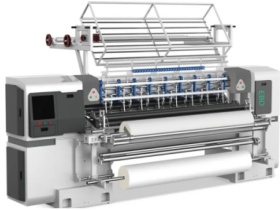
While quilting machines are traditionally associated with creating quilts, their versatility allows them to be used in a wide range of applications. Let’s take a closer look at some of the industries and products that benefit from the capabilities of modern quilting machines.
One of the most innovative and practical uses of quilting machines is in the production of car seat covers. Automotive upholstery is a major market for quilting machines, as manufacturers need durable, comfortable, and stylish fabrics for car seats. Here’s why quilting machines are so important in this application:
Durability and Comfort: Quilting machines can stitch multiple layers of fabric together, allowing manufacturers to create robust, cushioned seat covers that offer both comfort and durability. The use of premium fabrics and batting results in seat covers that are soft to the touch but can withstand years of wear and tear.
Customizable Designs: Car seat covers often need to be tailored to specific vehicle models, and quilting machines provide the flexibility to produce customized patterns. Whether it’s for luxury vehicles or mass-market cars, quilting machines can produce intricate designs that add to the aesthetic appeal of the vehicle’s interior.
Cost-Effective Manufacturing: By automating the quilting process, manufacturers can streamline production and reduce labor costs. Modern quilting machines allow for fast, consistent stitching, reducing the time it takes to produce large quantities of car seat covers without sacrificing quality.
Quilting machines also play a significant role in the home textiles industry. Products such as comforters, bedspreads, duvets, and cushions often require the same intricate stitching and layering that quilts do. Here’s how quilting machines are utilized in home textile production:
Comforter and Bedding Manufacturing: The ability to stitch through multiple layers of fabric makes quilting machines ideal for bedding products. Quilting machines can create intricate patterns that enhance the texture and appearance of comforters, ensuring that they are both visually appealing and functional in maintaining warmth.
Cushions and Pillows: For products like decorative cushions and throw pillows, quilting machines allow for creative designs that incorporate multiple fabrics and textures. With different stitch patterns, manufacturers can create visually dynamic and high-quality cushions that meet consumer demands for both comfort and style.
Cost-Efficiency: In the home textile sector, manufacturers need to balance cost and quality. Quilting machines offer a perfect solution by enabling fast production of large volumes of bedding and pillow products while maintaining high standards of consistency and quality. This contributes to significant cost savings, which is essential for staying competitive in the market.
Quilting machines are also widely used in upholstery, especially for making furniture covers, cushions, and mattresses. The textiles used in furniture need to be durable, comfortable, and visually appealing, and quilting machines can provide all these attributes in one go.
Creating Durable Furniture Upholstery: Upholstery fabrics require a balance of strength and comfort. Quilting machines are used to stitch layers of fabric and padding together, providing a sturdy, well-cushioned surface that enhances the furniture’s comfort and durability.
Customized Designs: Furniture designers often need to create bespoke patterns for different pieces, from sofas to recliners. Quilting machines allow for intricate, customized designs, making them suitable for both mass-market furniture and high-end, luxury items.
Streamlining Production: As with other industries, time is of the essence in furniture manufacturing. Quilting machines provide a quick and efficient solution for producing high-quality upholstered products at scale, reducing labor costs and increasing production speed.
In the fashion industry, quilting machines are used for creating decorative fabrics, outerwear, and accessories. High-end fashion designers and sportswear manufacturers have increasingly turned to quilting machines to create stylish, functional garments.
Outerwear: Jackets, coats, and vests often require quilting to provide insulation and texture. Quilting machines allow designers to create padded outerwear that is both warm and stylish. These garments are especially common in winter collections and activewear lines.
Fashion Accessories: Quilting machines are also used to create intricate patterns in bags, wallets, shoes, and other fashion accessories. These items often require fine stitching and layering to achieve the desired look and durability.
Customization for High-Performance Apparel: Sportswear manufacturers utilize quilting machines to produce lightweight, breathable, and insulated fabrics for products like ski jackets and cycling gear. By using quilting machines, designers can create the optimal balance of comfort, warmth, and flexibility for athletes.
Quilting machines are used to produce specialty textiles for industries like medical fabrics, automotive interiors, and aerospace applications. These fabrics need to meet strict safety standards, durability, and performance requirements.
Medical Textiles: In the healthcare industry, quilting machines are used to create protective garments and mattress pads. These textiles often require special treatments to ensure they are antibacterial, flame-resistant, and waterproof. Quilting machines can help integrate multiple layers of fabric and padding for added comfort and protection.
Automotive Interiors: Just as quilting machines are used for car seat covers, they can also be used for other parts of a car’s interior, such as door panels, headliners, and floor mats. These products need to be durable, stylish, and comfortable, and quilting machines can create intricate designs that meet these needs.
Aerospace and Defense: In aerospace, thermal insulation and protective barriers are crucial for ensuring the safety of passengers and equipment. Quilting machines are used to create layered fabrics that provide thermal resistance and protection in these highly specialized applications.
While quilting machines are a significant investment for any business, their value for money becomes evident in the long run. The ability to produce high-quality, intricate patterns with precision and speed ensures that manufacturers can meet demand efficiently, reducing labor costs and improving output.
Increased Production Speed: Automated quilting machines can stitch large volumes of fabric quickly and consistently, improving overall production speed. This is essential for manufacturers looking to meet tight deadlines while maintaining high standards of quality.
Consistency and Quality: Manual quilting can lead to inconsistencies in stitching, which can affect the quality of the finished product. Quilting machines ensure that every stitch is precise, which is critical for applications where uniformity is required, such as in car seat covers or medical textiles.
Cost Efficiency: Though the initial cost of investing in a quilting machine may seem high, the long-term benefits of increased productivity, reduced labor costs, and higher-quality output make it a worthwhile investment.
Quilting machines are an indispensable tool in modern manufacturing, providing unmatched versatility in applications ranging from quilt-making to automotive upholstery. The ability to produce intricate designs with high precision and speed makes these machines a vital component in industries that require consistent, high-quality textiles.
By using aluminium profiles for the construction of quilting machines, manufacturers are able to achieve durability, lightweight designs, and enhanced energy efficiency. This combination of performance and cost-effectiveness makes quilting machines an excellent investment for businesses of all sizes.
At Yiboda Industrial Co., Ltd., we are dedicated to providing the highest quality quilting machines that cater to the diverse needs of the textile industry. Our machines are designed to deliver precision, efficiency, and versatility, ensuring that your production processes are optimized and cost-effective. If you are looking to enhance your manufacturing capabilities, feel free to get in touch with us for more information on our products and services.


