

Views: 0 Author: Site Editor Publish Time: 2025-12-12 Origin: Site


Industrial quilting and embroidery machines are vital for high-quality production. Without daily care, they can suffer from poor stitching and costly repairs.
In this article, we will discuss a daily maintenance checklist for these machines.
You’ll learn how to keep your machine running smoothly and efficiently. Yiboda offers quality products to help maintain your equipment.
Routine daily maintenance helps prevent minor issues from escalating into major breakdowns. Problems like dust buildup, misaligned parts, or improper lubrication can be easily avoided by performing simple tasks every day. For example, ensuring that all moving parts are properly oiled and dust-free can avoid unnecessary friction and wear. Taking a few minutes each day to perform maintenance can save significant time and money in the long run.
A well-maintained machine lasts longer and performs better. Daily care helps minimize wear on critical components like the needle bar, hook, and bobbin case. Without proper maintenance, these components can wear out prematurely, resulting in expensive repairs or replacements. Additionally, regularly checking and maintaining the machine can prevent the need for more extensive services down the line.
Daily maintenance ensures that the machine consistently produces high-quality results. For example, checking thread tension and cleaning the bobbin case daily guarantees that the stitches are even, the fabric moves smoothly, and the output is flawless. Regular care also reduces the likelihood of thread breakage, fabric snags, or stitching inconsistencies, which can affect production quality.
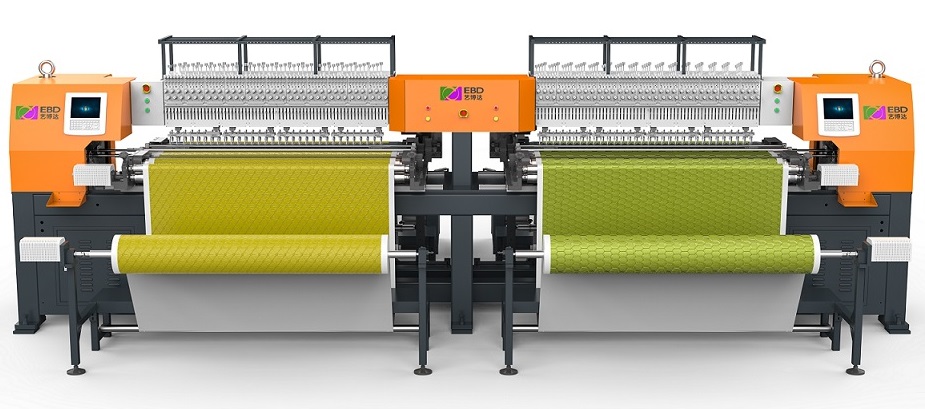
● Clean the bobbin case and needle plate: Lint and dust buildup can cause uneven stitching or jams. Use a soft brush to clear out debris from the bobbin case and needle plate. Regular cleaning also helps prevent thread from becoming tangled or stuck in the machine.
● Wipe down the machine exterior: Dust and dirt can affect both the machine’s appearance and its performance. Use a microfiber cloth to wipe down the surface, preventing dirt buildup in crucial areas. Keeping the exterior clean ensures smooth operation and prevents dirt from entering sensitive components.
● Clean the thread guides: Thread guides are vital for smooth stitching. They can accumulate dust, lint, or oil residue, so regularly wipe them clean to ensure the thread moves effortlessly. Clean guides reduce the risk of thread snapping or uneven stitching.
● Oil key areas: Apply oil to critical moving parts, such as the needle bar, hook, and bobbin case. Lubricating these components reduces friction and wear, ensuring smooth operation and preventing excessive wear on vital parts.
● Check oil levels: If your machine has an oil reservoir, make sure it is filled to the correct level. Oil levels should be checked daily to prevent the machine from running dry, which can lead to overheating and part damage. Regular oiling helps the machine run efficiently and increases its lifespan.
● Check for needle wear: A worn or damaged needle can cause fabric damage and uneven stitching. Check the needle for bends, burrs, or dullness, and replace it if necessary. A sharp, undamaged needle is key for clean stitching and preventing damage to delicate fabrics.
● Needle replacement schedule: Depending on usage, it is advisable to replace needles regularly, especially when working on large projects. Make needle inspection and replacement a part of your daily maintenance routine to ensure that the machine operates efficiently and produces high-quality results.
● Test thread tension: Thread tension is crucial for consistent, high-quality stitching. Run a quick test stitch on a scrap piece of fabric to ensure the tension is correctly set. Incorrect tension can lead to thread breakage, puckering, or uneven stitches, affecting the final product’s appearance.
● Adjust as needed: Thread tension might vary depending on the fabric, thread type, or stitch pattern. Always make adjustments to the tension before starting a new job to prevent issues during production. Regularly monitor tension to ensure your machine produces even and durable stitches.
● Run a test stitch: After performing maintenance tasks, run a quick test stitch to verify everything is functioning as expected. This ensures that all components are in good working condition before starting a new job, saving time and preventing errors during production.
● Listen for unusual sounds: Unusual noises often indicate problems with the machine. Whether it's a high-pitched sound or a grinding noise, addressing any irregular sounds immediately can help prevent damage to the machine. Strange sounds could suggest that parts are misaligned, need lubrication, or require replacement.
Task | Description | Frequency |
Clean the bobbin case | Remove lint, thread scraps, and dust | Daily |
Wipe down the machine exterior | Clean the surface to prevent dust and dirt buildup | Daily |
Clean thread guides | Wipe thread guides to remove oil and debris | Daily |
Oil key moving parts | Apply oil to needle bar, hook, and bobbin case | Daily |
Check needle condition | Inspect needle for wear, burrs, or bends | Daily |
Test thread tension | Run a quick test stitch on scrap fabric | Daily |
By performing daily maintenance tasks, you reduce the likelihood of unexpected machine failures. This ensures that your machine stays operational and you can meet tight production schedules without delays. Regular maintenance helps keep the machine running at full capacity, maximizing your production time and reducing downtime.
A well-maintained machine operates at peak efficiency, ensuring that each stitch is completed smoothly and consistently. Regular lubrication, cleaning, and adjustments help the machine run faster and with fewer interruptions, enabling you to produce more in less time. This efficiency is particularly important when working with high volumes of production.
Routine maintenance helps prevent costly repairs. By regularly checking for worn parts, cleaning lint buildup, and lubricating moving components, you avoid damage that can lead to expensive service calls or part replacements. In the long term, following a daily maintenance checklist saves you money and helps protect your investment.
Benefit | Impact on Performance |
Reduces Downtime | Fewer unexpected breakdowns, more production time |
Increases Efficiency | Smoother operation, faster job completion |
Saves Money on Repairs | Fewer major repairs, longer machine lifespan |
Maintains Consistent Quality | Ensures even stitching and high-quality output |
While oiling is essential, over-oiling can lead to dirt and debris sticking to the lubricated parts, which can affect machine performance. Always use the recommended amount of oil as specified in your machine’s manual, and avoid over-applying.
Minor issues like thread tension inconsistencies, slightly bent needles, or small dust buildups can easily be overlooked. Ignoring these small problems can lead to bigger malfunctions. Make sure to address even the most minor issues promptly to prevent them from escalating.
Failing to clean your machine regularly is one of the most common mistakes. Lint and dust can clog up vital components, causing jams and stitching errors. Make sure to incorporate cleaning into your daily routine to keep the machine running smoothly and efficiently.
● Lint brushes and compressed air: These tools are excellent for removing dust, lint, and thread debris from hard-to-reach areas like the bobbin case and feed dogs. Keeping these parts clean is essential to prevent jams and ensure smooth stitching.
● Sewing machine oil: Using high-quality oil is critical for lubricating moving parts such as the needle bar, hook, and bobbin case. Proper lubrication reduces friction and wear, enhancing machine performance and preventing premature damage.
● Needles and thread: It's important to have spare needles and high-quality thread on hand. Replace damaged or worn-out needles regularly to maintain clean, precise stitching and avoid fabric damage.
● Tweezers and small screwdrivers: These tools are useful for detailed cleaning and adjusting small components, such as replacing thread guides or needle bars. Regular checks and adjustments help keep the machine operating smoothly.
● Microfiber cloths: Use microfiber cloths to wipe down the machine’s exterior. These cloths are perfect for cleaning the machine without leaving dust or lint behind, helping to maintain a clean work environment and optimal machine performance.
Investing in the right tools, such as high-quality oil, lubricants, and maintenance brushes, is vital for prolonging the life of your machine. Regular use of these tools will ensure that your machine stays in excellent working condition for many years.
Tool/Product | Purpose | Recommended Frequency |
Lint brushes and compressed air | Remove dust and lint from hard-to-reach areas | Daily, Weekly |
Sewing machine oil | Lubricate moving parts to reduce friction and wear | Daily, Weekly |
Replacement needles | Ensure smooth stitching by replacing worn-out needles | Daily, Weekly |
Microfiber cloths | Wipe down the machine’s exterior to prevent dirt buildup | Daily |
Precision screwdrivers | Clean small components and adjust machine parts | Monthly |
● Check the drive belt and pulley: Examine the belt and pulley for wear, cracks, or loosening. Replace any worn-out parts to prevent slippage and ensure smooth stitching. A worn-out belt or pulley can cause inconsistent stitching or mechanical failure if not addressed.
● Test machine sensors: Ensure that sensors for thread cutting and positioning are functioning properly to avoid errors during production. Faulty sensors can disrupt stitching and result in material waste or delays.
● Lubricate moving parts: Apply oil to all recommended lubrication points, such as the needle bar, hook, and feed dogs. Proper lubrication reduces friction, preventing wear and extending the machine’s lifespan.
● Deep clean: Disassemble removable parts like the needle plate and bobbin case for a thorough cleaning. Dust and lint buildup in these areas can lead to threading issues and poor stitch quality. A monthly deep clean helps maintain smooth operation.
● Review software and calibration: Update the machine’s software to ensure compatibility with new designs and adjust machine settings to maintain optimal stitch quality. Regular software updates can improve functionality and ensure the machine continues to work with the latest features.
● Replace parts as needed: Inspect and replace any worn-out components like belts, gears, or springs to avoid breakdowns. Over time, parts may wear out and need replacing to keep the machine running efficiently, preventing unexpected repairs.
Regular maintenance is key to keeping your industrial quilting embroidery machine performing at its best. By following a daily maintenance checklist, you can prevent breakdowns and extend the machine’s lifespan.
Investing in machines with advanced features makes your routine more efficient. Yiboda offers high-quality machines that simplify maintenance, ensuring reliable performance for both small and large operations. Make maintenance a priority to keep your projects on track and to the highest quality.
A: Daily maintenance ensures smooth operation, prevents breakdowns, and extends the machine’s lifespan. Regular care keeps the machine running at peak performance and ensures consistent output quality.
A: Daily tasks include cleaning the bobbin case and needle plate, lubricating moving parts, checking the needle for wear, adjusting thread tension, and running a test stitch.
A: Regular maintenance, including cleaning, lubrication, and tension checks, helps prevent common problems like thread breakage, uneven stitching, and machine malfunctions.
A: Regular maintenance reduces the need for costly repairs, extends machine life, and improves efficiency, ultimately saving money in the long term.


