

Views: 0 Author: Site Editor Publish Time: 2025-12-08 Origin: Site


The textile industry is changing, driven by digital quilting and embroidery. These technologies are transforming production, enhancing efficiency, and enabling more customization.
In this article, we’ll explore how digital quilting and embroidery shape the future of textile manufacturing. You’ll learn how these innovations boost production and sustainability.
With the industry's evolution, Yiboda offers solutions to help you stay ahead. Learn more about our products.
Digital quilting and embroidery refer to the integration of computer-controlled systems that automate the stitching and quilting processes. These systems utilize advanced software to translate intricate designs into machine-readable formats. This automation not only increases precision but also reduces the need for manual labor. By utilizing digital tools, manufacturers can produce highly detailed designs more efficiently, eliminating human error and ensuring consistent, high-quality output. The ability to quickly scale production and execute complex patterns is a game-changer, providing faster turnaround times without compromising design accuracy.
Digital quilting and embroidery machines are powered by sophisticated software tools that enable the creation of complex and detailed designs. These systems allow for more flexibility in the design process, accommodating a wide variety of patterns, textures, and colors. Advanced automation, driven by artificial intelligence (AI), adjusts stitching parameters in real-time, ensuring that every design is executed to perfection. Additionally, Internet of Things (IoT) integration helps monitor machine performance continuously, providing valuable data that can be used to optimize production. This connectivity ensures minimal downtime, improving operational efficiency and ultimately reducing costs. As a result, manufacturers can stay ahead in a competitive market by enhancing their production capabilities and maintaining high standards.
Technology Used | Purpose | Benefit |
Advanced Software | Design and optimize stitching parameters | Ensures high-quality output and customization |
Artificial Intelligence (AI) | Adjusts stitching automatically and adapts to materials | Increases speed and precision in production |
IoT Integration | Real-time monitoring and predictive maintenance | Minimizes downtime and enhances reliability |
Digital machines automate complex tasks, significantly speeding up the production process while ensuring high-quality output. With improved precision and minimal manual intervention, these machines help businesses meet tighter deadlines and boost overall productivity. The ability to replicate designs with consistency reduces errors, increasing both output quality and volume. This efficiency also leads to cost savings, particularly in terms of labor, as fewer staff are required to perform manual tasks. Furthermore, by reducing human error, digital machines help minimize material waste, which can further reduce operational costs.
One of the standout features of digital quilting and embroidery machines is their ability to easily switch between designs and fabrics. This adaptability is especially important in today’s fast-paced, trend-driven market. Manufacturers can quickly modify designs, adjust stitching patterns, or change fabric types to meet specific customer requests or market trends. The machines allow for rapid customization, enabling businesses to offer personalized products at scale without sacrificing efficiency. This flexibility helps manufacturers cater to diverse consumer preferences, stay competitive, and adapt to changing demands quickly. Whether producing unique fashion pieces, custom home décor, or personalized gifts, these machines make it easier for businesses to meet customer expectations while maintaining high standards of quality.
Benefit | Description | Impact |
Customization at Scale | Ability to create personalized designs easily | Meets growing demand for unique products |
Quick Design Changes | Machines can quickly switch between different fabrics and designs | Enhances adaptability to market trends |
Increased Efficiency | Automation reduces manual labor and speeds up production | Improves cost-effectiveness |
Digital machines are more efficient in terms of material usage, minimizing waste during production. As sustainability becomes a priority in textile manufacturing, digital solutions are leading the way with energy-efficient designs and the use of eco-friendly materials, such as biodegradable threads.
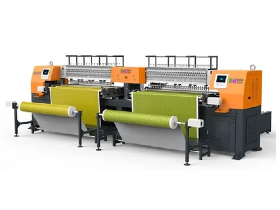
Digital quilting and embroidery are increasingly used in fashion to create custom patterns, logos, and designs for garments and accessories. These technologies enable manufacturers to produce on-demand clothing, which can be tailored to customer specifications with quick turnarounds. By doing so, businesses can reduce inventory costs and minimize waste, allowing them to cater to a broader range of consumer preferences and trends without overproducing.
From cushions to curtains, digital machines are used to create intricate and custom designs for home décor products. This flexibility in design opens new opportunities for businesses to provide personalized home goods, meeting specific consumer needs. Whether it’s customizing patterns for bed linens or creating unique textures for upholstery, digital quilting and embroidery are changing how home textiles are designed, produced, and sold.
Digital quilting and embroidery technologies are also applied in industries like healthcare and technical textiles, where precision and durability are essential. These textiles often incorporate smart materials, such as sensors or conductive threads, that require exacting standards for quality and performance. Digital machines are capable of meeting these requirements, providing the necessary durability and consistency for products used in medical and technical applications.
Artificial Intelligence (AI) is transforming digital quilting and embroidery machines by enabling them to learn from previous projects and automatically adjust to different fabrics and stitching patterns. AI systems enhance machine adaptability, allowing them to optimize performance and improve speed and precision in real-time. As machines learn from past data, they become more autonomous, reducing the need for human intervention and making production processes more efficient.
Automation is significantly enhancing textile manufacturing through digital quilting and embroidery technologies. These machines can handle multiple tasks simultaneously, from fabric feeding to stitching, removing bottlenecks in the production process. By automating routine tasks, manufacturers can increase output while reducing human labor, improving both the efficiency and cost-effectiveness of production. As automation becomes more advanced, it allows for faster production cycles and the ability to scale operations easily, meeting growing demand without compromising on quality.
Feature | Description | Impact |
Machine Learning | AI learns from previous tasks to improve machine operations | Continuous performance improvement |
Automation | Machines handle multiple processes simultaneously | Faster production, reducing human error |
Although digital quilting and embroidery machines offer numerous benefits, the high initial cost can be a barrier for many businesses. These machines require substantial upfront investment in both equipment and software, which might not be feasible for smaller companies. However, businesses that can afford this investment typically see significant long-term savings. The increased production efficiency, reduced labor costs, and fewer errors in the process can result in a faster return on investment. Over time, the ability to produce high-quality products at scale helps businesses remain competitive and maintain a strong market presence.
For manufacturers still relying on older, non-digital equipment, integrating new digital quilting and embroidery machines into existing production lines can be a complex and costly challenge. Compatibility issues between legacy systems and newer digital solutions must be addressed, which may require upgrading existing machinery or software. Additionally, staff will need training to handle new technology effectively. While these integration challenges can be daunting, the long-term benefits of modernizing operations and staying current with digital trends offer businesses the opportunity to remain competitive in a fast-evolving market.
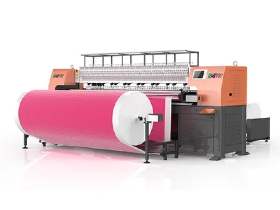
As digital quilting and embroidery technologies continue to advance, we can expect new developments to focus heavily on artificial intelligence (AI), automation, and system integration. Future machines will be designed to be more adaptable, learning from each project to optimize production techniques. With continuous improvements in software and hardware, these machines will become faster, smarter, and more capable of handling a broader range of materials and designs. The incorporation of machine learning will also enable these machines to predict and adjust settings automatically, further increasing efficiency and precision.
The growing adoption of cloud computing will play a crucial role in enhancing the capabilities of digital quilting and embroidery. Cloud-based platforms will facilitate real-time collaboration among design teams, making it easier to share, modify, and access design files from anywhere in the world. This will improve communication, streamline workflows, and reduce delays in production. Additionally, cloud computing will allow for faster adaptation to market trends, enabling manufacturers to bring new products to market more quickly. The flexibility and scalability of cloud systems will be key to future advancements in digital textile production.
The textile industry is facing increasing pressure to reduce its environmental impact, and digital quilting and embroidery machines will likely evolve to address these sustainability challenges. In the future, we can expect digital machines to incorporate more eco-friendly practices, such as using biodegradable threads, reducing fabric waste, and minimizing energy consumption. By integrating these sustainable practices, manufacturers can not only reduce their environmental footprint but also meet the growing demand for eco-conscious products. These innovations will be essential in helping the industry balance efficiency with environmental responsibility, ensuring the long-term sustainability of textile manufacturing.
The future of textile manufacturing is bright, driven by digital quilting and embroidery technologies. These innovations enhance production efficiency, quality, and sustainability. By adopting these technologies, manufacturers can meet increasing demands for customization while reducing environmental impact.
As the industry evolves, embracing these advancements will help businesses stay competitive, offering high-quality products and efficient production processes. Yiboda provides advanced solutions to help businesses stay ahead, offering value through innovative and adaptable products.
A: Digital quilting and embroidery refer to computer-controlled systems that automate the stitching and quilting process. These systems use advanced software to create designs, increasing precision and reducing labor.
A: AI enhances digital machines by enabling them to learn from past projects and automatically adjust stitching and fabric settings. This results in better efficiency, precision, and reduced human intervention.
A: Benefits include faster production, consistent quality, reduced labor costs, and greater customization flexibility. Digital machines also minimize waste and contribute to sustainability efforts.
A: Digital machines reduce material waste by precisely using fabric and thread. They also use less energy, which helps manufacturers meet sustainability goals while improving production efficiency.


