

Views: 0 Author: Site Editor Publish Time: 2025-11-12 Origin: Site


Are you ready to elevate your quilting game? Choosing the right home quilting embroidery machine can be overwhelming. With so many options available, it’s crucial to understand which features matter most. In this post, you’ll learn about the essential aspects to consider before making your purchase.
A home quilting embroidery machine is specifically designed for quilting and embroidery projects. Unlike standard sewing machines, these machines often combine sewing, quilting, and embroidery functions into one. This versatility allows you to create intricate designs and patterns with ease. They come equipped with features that cater to the unique needs of quilters, such as larger throat spaces for handling bulky quilts and specialized stitch options for decorative embroidery.
Feature | Home Quilting Embroidery Machine | Standard Sewing Machine |
Functionality | Quilting, embroidery, sewing | Primarily sewing |
Throat Space | Larger for handling quilts | Typically smaller |
Built-in Designs | Often includes many embroidery | Limited decorative stitches |
Specialized Feet | Walking feet for even feeding | Basic presser feet |
Speed and Efficiency | Higher speeds for quicker projects | Slower for detailed work |
The main difference lies in functionality. While standard sewing machines are great for basic sewing tasks, quilting machines excel in handling multiple layers of fabric. They often feature larger throat spaces, which help accommodate bulky quilts. Additionally, many quilting machines come with specialized feet, like walking feet, to ensure even fabric feeding. This is crucial when working on intricate quilting patterns.
Using a dedicated home quilting embroidery machine has numerous advantages. First, it allows for greater creativity. You can easily switch between sewing and embroidery, making it simple to add personal touches to your projects. Second, these machines are built for efficiency. They often have faster stitching speeds, allowing you to complete projects in less time.
Moreover, many quilting machines come with advanced features like automatic thread trimming and built-in tutorials, which are incredibly helpful for beginners. These features reduce the learning curve and make it easier to achieve professional results.
Here’s a quick overview of the benefits:
● Versatility: Switch seamlessly between quilting and embroidery.
● Efficiency: Complete projects faster with higher stitching speeds.
● User-Friendly Features: Built-in tutorials and automatic functions simplify the process.
● Creative Possibilities: Access to a wide range of designs and patterns enhances your projects.
Investing in a home quilting embroidery machine can transform your quilting experience, providing you with the tools needed to create beautiful, intricate designs.
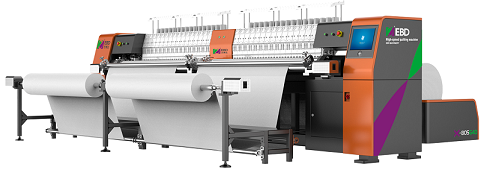
When choosing a home quilting embroidery machine, size matters. A larger machine can handle bigger projects, making it ideal for quilting enthusiasts. However, it’s essential to consider your available workspace. If you have a dedicated sewing room, a larger model may fit perfectly. Conversely, if you’re working in a smaller area, a compact machine might be more suitable.
Portability is another key factor. Some quilters may want to take their machines to classes or quilting retreats. If this sounds like you, consider a lightweight model that’s easy to transport. Many machines come with carrying cases, which can protect them during travel. Additionally, think about storage solutions. A machine that fits easily on a shelf or in a closet will help keep your space organized.
Portability Features | Benefits |
Lightweight design | Easy to carry |
Compact size | Fits in small spaces |
Carrying case included | Provides protection during transport |
Here’s a quick reference for choosing the right size machine based on your workspace:
● Small Spaces: Look for machines that are around 15-20 inches wide. They are easier to store and manage.
● Medium Spaces: Machines between 20-25 inches wide offer a good balance of functionality and space.
● Large Spaces: If you have a spacious sewing room, consider machines that are 25 inches or wider. They provide more features and a larger sewing area.
If you decide on a larger home quilting embroidery machine, make sure your workspace is well-organized. Here are some tips to optimize your area:
1. Clear the Area: Ensure you have enough clear space around the machine. This allows for easy movement and access to materials.
2. Use a Sturdy Table: A stable table can support the weight of larger machines and provide a comfortable sewing height.
3. Organize Supplies: Keep your fabric, threads, and tools within reach. Use bins or shelves to store everything neatly.
4. Lighting Matters: Good lighting helps you see your work clearly, especially when dealing with intricate designs.
By considering size and weight, you can find the perfect home quilting embroidery machine that fits your space and meets your quilting needs.
When choosing a home quilting embroidery machine, the needle count is an important feature to consider. Machines typically range from 12 to 32 needles. A higher needle count allows for more color options without needing to change threads frequently. For instance, a machine with 12 needles can handle basic designs, while one with 32 needles is ideal for intricate, multi-colored projects. This flexibility not only saves time but also enhances creativity, enabling you to execute complex designs effortlessly.
Multi-needle systems offer significant advantages, especially when it comes to color changes. Instead of stopping to switch threads manually, these machines automatically shift between needles. This feature is particularly useful for large projects, where color changes can be frequent. It streamlines the workflow, allowing for continuous sewing without interruption. Additionally, multi-needle machines often come equipped with advanced software to manage designs, making it easier to visualize and implement your ideas.
Needle Count | Best For | Benefits |
12 Needles | Basic designs | Simplicity and ease of use |
20 Needles | Moderate complexity | Good balance of color options |
25-32 Needles | Intricate, multi-colored projects | Efficiency in color changes and design flexibility |
When deciding between single and multi-head machines, think about your quilting needs. Single-head machines are typically more affordable and easier to operate, making them suitable for beginners or casual users. However, they require manual thread changes, which can be time-consuming for larger projects. On the other hand, multi-head machines are designed for efficiency and versatility. They can handle multiple designs simultaneously, which is a huge time-saver for professional quilters or those who produce items in bulk.
For those considering a multi-needle system, Yiboda offers impressive options, such as their 25 and 32 head models.
● Yiboda 25 Head Model: This machine is perfect for medium-sized projects, providing a great balance of features and usability. It’s ideal for quilters looking to expand their creative horizons without overwhelming complexity.
● Yiboda 32 Head Model: Designed for serious quilters, this model allows for extensive color variety and is perfect for intricate designs. It’s well-suited for businesses that require high-quality, detailed work on a larger scale.
By understanding the needle count and head configuration, you can select a home quilting embroidery machine that meets your specific needs and enhances your quilting experience.
When selecting a home quilting embroidery machine, the ability to adjust stitch lengths and widths is crucial. This feature allows you to customize your projects, ensuring that each stitch fits perfectly with the design and fabric type. Adjustable settings can enhance the overall quality of your work, making it easier to achieve professional-looking results. Whether you’re piecing together a quilt or adding decorative elements, having control over these settings can significantly impact the final outcome.
For most home quilting projects, there are recommended ranges for stitch length and width.
● Stitch Length: A typical range for quilting is between 2.0 mm to 3.5 mm. Shorter lengths are great for detailed work, while longer lengths are better for basting and securing layers.
● Stitch Width: Generally, a width of 5.0 mm to 7.0 mm is suitable for decorative stitches. Wider stitches can create bold designs, while narrower ones are ideal for subtle details.
Stitch Type | Recommended Length (mm) | Recommended Width (mm) |
Straight Stitch | 2.0 - 3.0 | N/A |
Zigzag Stitch | 1.5 - 3.5 | 5.0 - 7.0 |
Decorative Stitches | 2.0 - 4.0 | 4.0 - 6.0 |
Different fabrics require different stitch settings. For example, lightweight fabrics like cotton or silk may benefit from shorter stitch lengths to prevent puckering. Heavier fabrics, such as denim or canvas, often require longer stitches to maintain fabric integrity. Understanding how these settings interact with various materials is essential for achieving the best results.
● Lightweight Fabrics: Use shorter lengths (2.0 mm) to avoid distortion.
● Medium Fabrics: A length of 2.5 mm to 3.0 mm works well for most quilting tasks.
● Heavy Fabrics: Opt for longer stitches (3.5 mm) to ensure strength.
Customization options can greatly enhance your quilting experience, especially when working with thicker fabrics. Some machines allow for specific recommendations based on fabric type, which can make a significant difference in your projects. For instance, when using thicker materials, increasing the stitch length to around 4.0 mm can help prevent skipped stitches and ensure a smooth finish.
Many modern home quilting embroidery machines come equipped with features such as:
● Automatic Stitch Adjustment: This feature senses fabric thickness and adjusts stitch settings accordingly.
● Memory Functions: Save your preferred settings for different fabrics, making it easier to switch between projects.
By understanding stitch length and width, you can better select a home quilting embroidery machine that meets your specific needs and enhances your quilting creativity.
When considering a Home Quilting Embroidery Machine, automation plays a crucial role in enhancing efficiency and creativity. Modern machines are equipped with various automated features, such as thread trimming and auto-stop functions. These features significantly reduce manual intervention, allowing you to focus more on your designs rather than the technical aspects of sewing. For instance, automatic thread trimming cuts the thread at the end of each color change, minimizing waste and ensuring a clean finish. Additionally, the auto-stop function halts the machine when a thread breaks or runs out, preventing potential damage to your project.
A user-friendly interface is essential for both beginners and experienced quilters. The choice between touchscreens and traditional buttons can greatly affect the overall experience. Touchscreen interfaces often provide a more intuitive and interactive way to navigate through various functions, making it easier to select designs, adjust settings, and monitor progress. In contrast, machines with buttons can be simpler for those who prefer tactile feedback.
Interface Type | Advantages | Considerations |
Touchscreen | Intuitive navigation, larger display | Can be more expensive |
Buttons | Simplicity, tactile feedback | May require more manual navigation |
For beginners, built-in tutorials and help functions can be game-changers. These features guide users through the setup process, stitch selection, and troubleshooting. Many machines now come with interactive tutorials that offer step-by-step instructions, making it easier to learn and master new techniques. This support can significantly reduce the learning curve, allowing new quilters to gain confidence quickly. For example, machines like the YBD 166 feature comprehensive help functions that provide instant access to guidance, ensuring you can tackle any project without feeling overwhelmed.
The YBD 166 stands out for its impressive automated capabilities. It includes automatic embroidery and quilting functions, which streamline the creative process. With features like automatic needle positioning and fabric feed adjustments, this model allows for precise stitching and consistent results. The machine also offers a wide range of pre-programmed designs, enabling users to start their projects right away without extensive setup.
Feature | Description |
Automatic Needle Positioning | Ensures the needle is always in the correct position |
Fabric Feed Adjustments | Automatically adjusts to different fabric thicknesses |
Pre-Programmed Designs | A library of designs available at your fingertips |
With these advanced features, the YBD 166 exemplifies how automation and ease of use can elevate your quilting experience, making it accessible and enjoyable for all skill levels.
When selecting a Home Quilting Embroidery Machine, one of the key features to consider is its compatibility with various file formats. Different machines support different formats, such as DST and PES, which are commonly used in the embroidery industry. Understanding these formats is crucial, as they determine whether you can use your favorite designs or need to convert files. For example, DST files are widely accepted by many brands, while PES files are specific to Brother machines. Ensuring your machine can handle multiple formats gives you the flexibility to work with a variety of design sources.
Importing custom designs into your machine should be a seamless process. Most modern embroidery machines allow you to upload designs via USB drives or other methods, like direct computer connections. This capability enables you to expand your design library easily. Simply save your desired design onto a USB stick, insert it into the machine, and follow the prompts to load it. This convenience allows you to personalize your projects and explore your creativity without being limited to built-in designs.
Import Method | Description |
USB Drive | Plug in and select designs directly |
Direct Connection | Connect to a computer for easy transfer |
Wireless Transfer | Some machines support Wi-Fi or Bluetooth |
Opting for a machine that supports various design software can enhance your quilting experience significantly. Many machines are compatible with popular embroidery software, allowing you to create, edit, and customize designs before importing them. This compatibility means you can use your preferred software tools, whether it's for simple adjustments or complex designs. Additionally, this feature often leads to a broader range of available designs, as you can access online libraries and communities that share files compatible with your machine.
Understanding the most common embroidery formats is essential for any quilter. Popular formats like Tajima and Brother are often used, and their relevance cannot be overstated. Tajima files are recognized for their high-quality stitching, while Brother formats are user-friendly and widely supported. If your machine can read these formats, you’ll find it easier to source designs from various platforms. This capability not only saves time but also opens up a world of creative possibilities, allowing you to choose from countless designs available online.
Format | Brand Association | Key Features |
DST | Tajima | High compatibility, professional quality |
PES | Brother | User-friendly, versatile |
JEF | Janome | Great for home use, easy edits |
By focusing on compatibility with design files, you ensure that your Home Quilting Embroidery Machine can adapt to your creative needs, making it a valuable tool in your quilting journey.
When selecting a Home Quilting Embroidery Machine, understanding the types of fabrics it can handle is crucial. Generally, quilters work with a variety of materials, including cotton, polyester, and blends. Cotton is a favorite due to its durability and ease of handling, making it ideal for beginners. Polyester, on the other hand, offers excellent color retention and is often used for more intricate designs. Here’s a quick overview of common fabrics:
Fabric Type | Characteristics | Best Uses |
Cotton | Soft, breathable, easy to sew | Quilts, garments, home decor |
Polyester | Strong, colorfast, resistant to wrinkles | Embroidery, outdoor items |
Blends | Combines properties of both fabrics | Versatile usage in various projects |
Another essential feature to look for is adjustable pressure feet. Different fabrics come in various thicknesses, and having the ability to adjust the pressure foot allows for smoother sewing across all materials. For instance, when working with thick layers of fabric, such as batting and multiple quilt layers, a higher pressure setting can help maintain consistent stitching. Conversely, delicate fabrics like silk or chiffon require a lighter touch to avoid puckering. This flexibility ensures that your projects look professional, regardless of the fabric used.
Handling bulky or delicate fabrics can be challenging, but many modern machines come equipped with features designed to make this easier. Look for machines that offer:
● Extended Sewing Bed: Provides extra support for larger quilts, preventing them from dragging.
● Walking Foot: Helps feed multiple layers evenly, which is particularly useful for bulky fabrics.
● Adjustable Stitch Width and Length: Allows you to customize your stitches based on the fabric type, ensuring optimal results.
These features not only enhance the sewing experience but also improve the quality of the finished product, making it easier to tackle a variety of quilting projects.
Some machines stand out for their ability to handle a range of fabric types without requiring constant adjustments. For example, the Yiboda quilting machine is renowned for its versatility, easily accommodating thick quilts without the need for manual settings. This adaptability means you can switch between different fabric types during a project without interruption. Here’s a comparison of popular machines that excel in fabric compatibility:
Machine Model | Fabric Handling Features | Suitable Fabrics |
Yiboda | Adjustable pressure foot, walking foot | Cotton, polyester, thick quilts |
Brother | Extended sewing bed, multiple stitch options | Cotton, lightweight fabrics |
Janome | Automatic fabric tension adjustment | Delicate fabrics, blends |
By considering fabric compatibility and handling features, you ensure that your Home Quilting Embroidery Machine meets your creative needs, allowing you to experiment with various materials confidently.
When choosing a Home Quilting Embroidery Machine, customizable settings are essential for tailoring your sewing experience. Features like needle position and speed adjustments allow you to adapt your machine to different projects. For instance, adjusting the needle position can help you achieve precise stitching, especially when working on intricate designs or corners. Similarly, the ability to control the sewing speed is vital; beginners may prefer slower speeds for accuracy, while experienced quilters might opt for faster settings to increase efficiency. These options empower users to create their unique projects with ease.
While many machines come equipped with built-in designs, the ability to create and import custom designs significantly enhances your quilting capabilities. Built-in designs are convenient and can inspire creativity, but having the option to upload your own designs opens a world of possibilities. You can personalize projects with unique patterns or even family photos, making each piece special. Here’s a quick comparison of the benefits of built-in designs versus custom designs:
Feature | Built-in Designs | Custom Designs |
Accessibility | Ready to use, no setup required | Requires file transfer, setup needed |
Variety | Limited to machine’s library | Unlimited, based on creativity |
Personalization | Generic patterns | Highly personalized |
Personalization options can elevate your quilting projects from ordinary to extraordinary. Many machines allow for monograms, enabling you to add initials or names to your creations. Additionally, you can choose from various patterns and motifs, such as floral designs or geometric shapes, to reflect your style. Here are some common personalization features found in modern machines:
● Monogramming: Add initials or names to quilts, bags, and clothing.
● Pattern Selection: Choose from a library of patterns to suit any occasion.
● Color Customization: Select thread colors that match your project theme.
Built-in patterns play a significant role in enhancing creativity. A machine with a robust library of built-in designs can inspire you when you’re unsure where to start. For example, machines that offer hundreds of built-in patterns provide a solid foundation for your projects. This variety means you can easily find something that fits your vision, whether you’re making a gift or a personal keepsake. Here’s a look at how the number of built-in designs can impact your quilting experience:
Machine Model | Number of Built-in Designs | Creative Potential |
Brand A | 100+ | High – many options to choose from |
Brand B | 50 | Moderate – some variety |
Brand C | 200+ | Very High – extensive design choices |
By considering customization and personalization options, you ensure your Home Quilting Embroidery Machine can adapt to your creative needs, allowing you to express your unique style in every project.
When selecting a Home Quilting Embroidery Machine, the materials used in its construction are crucial. Machines made from metal typically offer greater durability compared to those made from plastic. Metal components can withstand more wear and tear, ensuring that your machine remains functional over time. In contrast, plastic parts may be lighter and cheaper but often lack the strength needed for heavy-duty quilting. It’s essential to consider how these materials will perform under regular use, especially if you plan to tackle larger projects.
A sturdy frame is vital for stability during operation. A well-built frame minimizes vibrations, which can lead to uneven stitching and poor quality results. Machines with a solid metal frame tend to provide better support, allowing for smoother operation, especially when working with thicker fabrics or multiple layers. This stability not only enhances your sewing experience but also contributes to the overall quality of your finished projects. Here’s a quick look at how frame stability impacts performance:
Frame Type | Vibration Control | Impact on Stitch Quality |
Metal Frame | Excellent | High – consistent stitching |
Reinforced Plastic Frame | Moderate | Variable – may cause issues |
Basic Plastic Frame | Poor | Low – often leads to problems |
The build quality of a quilting machine directly influences its longevity and performance. High-quality machines are designed to endure years of use, maintaining precision and reliability. For instance, a machine with superior build quality will require fewer repairs and adjustments over its lifetime. Additionally, good build quality often translates to better features and smoother operation, making it easier to achieve professional results. Consider the following factors when assessing build quality:
● Weight: Heavier machines often indicate a more robust construction.
● Warranty: A longer warranty period can be a sign of confidence in the machine’s durability.
● User Reviews: Feedback from other users can provide insights into a machine's performance over time.
Not all brands are created equal when it comes to durability and build quality. A comparative analysis can help you make an informed decision. Below is a table showcasing how different brands stack up in terms of build quality:
Brand | Material Quality | Frame Stability | User Satisfaction |
Brand A | High – Metal | Excellent | 95% |
Brand B | Moderate – Plastic | Good | 85% |
Brand C | High – Metal & Plastic | Very Good | 90% |
Brand D | Low – Plastic | Poor | 70% |
By understanding the materials, frame stability, and overall build quality, you can choose a Home Quilting Embroidery Machine that meets your needs and stands the test of time. Investing in a durable machine not only enhances your quilting experience but also ensures that your creativity flows without interruption.
When considering a Home Quilting Embroidery Machine, easy maintenance features are essential. Machines equipped with self-cleaning options can save you time and effort, ensuring they remain in top condition without frequent manual cleaning. Additionally, accessible parts are crucial; if you can easily reach the bobbin case or threading mechanism, routine maintenance becomes a breeze. Regular upkeep not only prolongs the life of your machine but also enhances its performance. Here are some key features to look for:
● Self-Cleaning Mechanisms: Automatically removes lint and debris.
● Accessible Design: Parts like the needle plate and bobbin area should be easy to reach.
● User-Friendly Manuals: Clear instructions make maintenance straightforward.
Customer support can significantly impact your experience as a quilter. A brand that offers robust customer service, including phone support, live chat, and extensive online resources, is invaluable. Many brands provide access to video tutorials, FAQs, and user forums, which can help you troubleshoot issues quickly. Here’s a quick overview of what to look for in customer support:
Support Feature | Importance |
Live Chat | Immediate assistance during use |
Video Tutorials | Visual guidance for complex tasks |
User Forums | Community support and shared advice |
Warranties play a crucial role in the long-term satisfaction of your machine purchase. A strong warranty indicates the manufacturer's confidence in their product. Look for machines that offer at least a two-year warranty, covering both parts and labor. Additionally, consider the availability of repair services. Some brands have authorized service centers, while others may require you to ship the machine for repairs. Here’s a comparison of warranty offerings from different brands:
Brand | Warranty Period | Repair Services |
Brand A | 2 Years | Local service centers |
Brand B | 1 Year | Mail-in repair only |
Brand C | 3 Years | On-site service available |
Brand D | 1 Year | Limited support |
When it comes to brands known for their excellent support systems, Yiboda stands out. They offer comprehensive service offerings, including extended warranties, a dedicated customer service team, and a wealth of online resources. Their commitment to customer satisfaction is reflected in their responsive support and user-friendly maintenance guides. Other brands worth considering include:
● Brother: Known for extensive online resources and community forums.
● Janome: Offers strong warranty options and local service centers.
● Bernina: Provides personalized customer support and detailed maintenance instructions.
By prioritizing maintenance features and support systems, you can ensure a smoother quilting experience. Investing in a Home Quilting Embroidery Machine with strong support not only enhances your creativity but also gives you peace of mind.
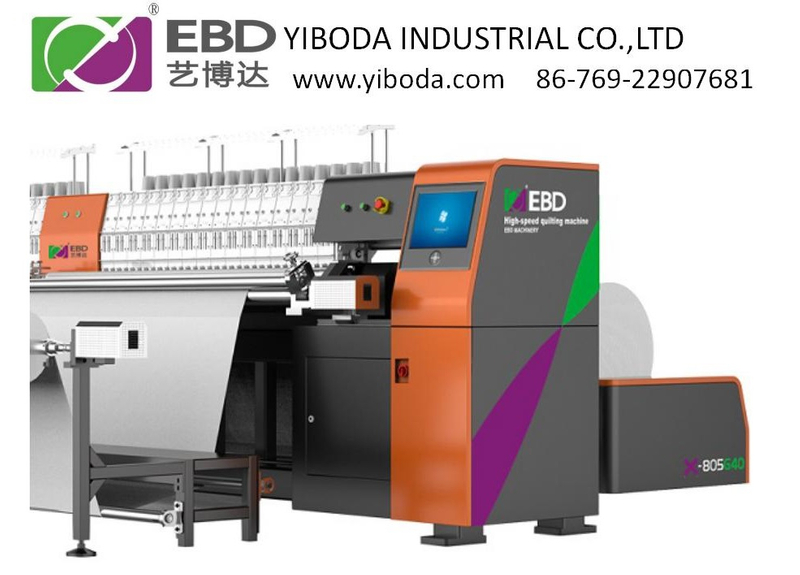
When selecting a Home Quilting Embroidery Machine, size and weight are crucial factors to consider. The machine's dimensions significantly impact its usability in your home environment. A larger machine may offer more features, but it can also take up valuable space. For those with limited room, compact models might be more suitable.
The size of the machine affects not only its functionality but also how comfortable it is to use in your workspace. A machine that is too large can hinder movement and creativity, while a smaller machine may lack the capabilities needed for complex projects.
If you plan to move your machine frequently or store it away when not in use, weight becomes an important consideration. Lightweight models are easier to transport, but ensure they still offer the features you need. Look for machines with built-in handles or cases for added convenience.
Workspace Size | Recommended Machine Dimensions |
Small (up to 5 ft²) | Up to 15 inches wide |
Medium (5-10 ft²) | 15-25 inches wide |
Large (over 10 ft²) | 25 inches and above |
For those opting for larger machines, optimizing your workspace is essential. Ensure you have ample table space to support the machine and fabric. Consider using an adjustable height table to improve comfort during long sewing sessions. Additionally, keep essential tools within reach to streamline your workflow.
Understanding the price range of Home Quilting Embroidery Machines is key to making an informed decision. Prices can vary widely based on features and brand reputation, so it's important to evaluate what fits your budget best.
Machine Type | Price Range |
Entry-Level | $200 - $600 |
Mid-Range | $600 - $1,200 |
Professional | $1,200 and above |
While it’s tempting to go for the most feature-rich machine, balancing features with your budget is crucial. Identify the features that are essential for your quilting projects. If you’re just starting, focus on machines that offer basic embroidery functions without breaking the bank.
For beginners, entry-level machines from brands like Singer or Brother can provide excellent functionality without overwhelming you. As you gain experience, consider investing in a professional machine that offers advanced features like larger embroidery areas and more stitch options.
Investing in a multi-functional machine may seem costly upfront, but it can save money in the long run. These machines often combine sewing, quilting, and embroidery capabilities, reducing the need for multiple devices. This versatility can enhance your creative projects and provide better value over time.
The importance of brand reputation cannot be overstated when choosing a Home Quilting Embroidery Machine. Researching brands helps you identify reliable options and avoid potential pitfalls.
Brands like Yiboda and Singer have established themselves in the quilting community due to their quality and customer service. Understanding a brand's history and reputation can guide you toward a more reliable purchase.
User reviews and testimonials provide real-world insights into a machine's performance. Websites like Amazon, manufacturer sites, and quilting forums are excellent resources. Look for patterns in feedback—if many users report similar issues, it may be a red flag.
Community forums and social media platforms can be invaluable for gathering information. Engaging with fellow quilters allows you to ask questions and receive recommendations based on personal experiences. This interaction can lead to informed decisions and even uncover lesser-known brands worth considering.
Ultimately, brand reliability and customer feedback play a significant role in your satisfaction with a Home Quilting Embroidery Machine. A machine backed by positive reviews and strong customer service will likely provide a better overall experience, making your quilting journey more enjoyable.
When choosing a Home Quilting Embroidery Machine, consider essential features like size, weight, and functionality.
Assess your individual needs and preferences to find the right fit.
Remember to research brands and read user reviews.
Making an informed purchase decision will enhance your quilting experience.


