

Views: 0 Author: Site Editor Publish Time: 2026-01-07 Origin: Site


Starting a mattress manufacturing business is not just about sourcing raw materials. Choosing the right machinery is crucial for producing high-quality mattresses efficiently. From foam cutting to quilting fabrics, each step needs specialized equipment. In this guide, we’ll focus on the essential machinery required for success, especially Industrial Quilting Machines. You'll learn how to optimize your production process and ensure top-quality products.
In mattress manufacturing, machinery directly impacts product quality. Using precise, high-quality equipment ensures that your mattresses meet the required standards in terms of comfort, durability, and aesthetics. Each piece of machinery—from cutting machines to quilting machines—plays a role in ensuring uniformity in every mattress produced.
When investing in machinery, the goal is to enhance the consistency of production. Automated machines, like Industrial Quilting Machines, ensure that the layers of fabric and foam are securely stitched, providing a durable final product. This machinery guarantees a better finish than manual methods, increasing customer satisfaction and reducing the rate of defects.
Role of Machinery | Description |
Quality Production | Machinery ensures mattresses meet comfort, durability, and aesthetics. |
Consistency in Production | Automated machines enhance uniformity and reduce defects. |
Efficient machinery reduces labor costs and increases production speed, allowing you to produce more mattresses with fewer resources. Automated processes, like fabric quilting, eliminate human errors, reduce waste, and increase overall productivity. Additionally, automation allows businesses to scale production easily, which is crucial as demand grows.
Investing in the right machinery is a long-term decision. Machines that are durable and versatile will continue to perform well over time, reducing the need for frequent replacements. Moreover, modern machines offer advanced features such as computerized pattern storage and automated thread management, which can streamline operations and save costs in the long run.
Tip: Ensure that your machinery has a good after-sales support package to keep it running smoothly for years.
Foam cutting machines are used to shape foam to the desired dimensions for mattress layers. Precise foam cutting ensures that each mattress provides uniform support, which is critical for comfort and durability.
There are different types of foam cutting machines, such as vertical and horizontal cutters, depending on your production needs. The right foam cutting machine will help you minimize material waste while ensuring that each foam piece is cut to the right size.
For mattresses that use innerspring technology, spring coiling machines are essential. These machines coil metal wire into springs of various sizes and densities, which provide the support structure for the mattress. The quality of springs directly affects the mattress's comfort and durability.
Spring coiling machines are available in different configurations, such as single or double coil machines, each suited for specific types of mattresses. Understanding the nuances of each configuration is essential for achieving the right balance of firmness and comfort.
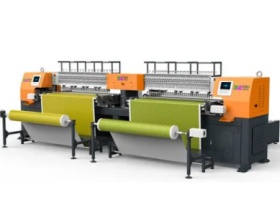
Industrial Quilting Machines are indispensable in mattress manufacturing. These machines stitch fabric layers and foam together while adding decorative or structural patterns. Quilting provides both an aesthetic appeal and functional durability, ensuring the fabric stays in place and the mattress maintains its shape.
Key Features of Industrial Quilting Machines:
Key Features | Description |
Pattern Storage | Stores multiple quilting patterns, allowing quick and efficient design changes. |
Thread Management | Automatic thread control reduces breakage, minimizing downtime. |
Reinforcement Quilting | Provides reinforced stitching in high-stress areas, enhancing mattress durability. |
The ability to quilt intricate designs while maintaining durability is crucial in high-end mattress production. Using an Industrial Quilting Machine allows manufacturers to enhance the visual appeal of their mattresses while ensuring their structural integrity.
Tip: Invest in a quilting machine that offers pattern customization and memory storage for increased design flexibility and efficiency.
After cutting and quilting, mattress assembling machines are used to stack the foam layers, springs, and fabric to form the final mattress. These machines streamline the mattress assembly process, reducing manual labor and increasing production speed.
Automated assembly lines ensure that each mattress is built with the correct layer configuration, ensuring consistency and quality in the final product.
Edge banding machines are used to seal the mattress edges, preventing wear and tear and giving the mattress a clean, professional finish. The edges of the mattress are one of the first areas to show signs of damage, so proper sealing is crucial for long-term durability.
These machines are particularly useful for ensuring that the mattress is securely wrapped and ready for shipping.
Once mattresses are assembled and banded, rolling and packaging machines compress and wrap them for easy storage and transportation. The rolling process helps reduce storage space and ensures that mattresses arrive at retailers or customers in pristine condition.
Efficient packaging reduces damage during shipping and is critical for maintaining product quality.
Machinery | Function/Description |
Foam Cutting Machines | Shapes foam to precise dimensions for uniform support. |
Spring Coiling Machines | Coils metal wire into springs for innerspring mattresses. |
Industrial Quilting Machines | Stitches fabric and foam, adding durability and aesthetics. |
Mattress Assembling Machines | Stacks layers, reducing labor and increasing speed. |
Edge Banding Machines | Seals mattress edges, ensuring durability and a clean finish. |
Mattress Rolling and Packaging Machines | Compresses and wraps mattresses for easy storage and shipping. |
When purchasing machinery, consider both the initial cost and the long-term maintenance costs. While it might be tempting to opt for cheaper options, investing in high-quality machinery, like Industrial Quilting Machines, can save money in the long run due to their durability and efficiency.
Create a clear budget that includes the costs of installation, training, and spare parts. Factor in any potential financing options or leasing arrangements to make the investment manageable.
Selecting the right machinery supplier is crucial to ensure that you receive high-quality equipment that meets your production needs. Look for suppliers with a good track record and positive customer feedback.
Don’t forget to consider after-sales support. A reliable supplier will provide maintenance services, training, and technical support to ensure your machinery runs smoothly.
When evaluating machinery, ensure it meets your specific needs in terms of capacity, features, and compatibility with other machines. For Industrial Quilting Machines, look for features like adjustable stitch length, pattern options, and ease of maintenance. These features will ensure that you can produce high-quality mattresses consistently.
An optimized factory layout reduces operational inefficiencies and boosts productivity. Plan your layout to minimize unnecessary movements and streamline production flows.
Organizing production stations in a logical sequence ensures smooth transitions between each stage. From foam cutting to quilting to packaging, each station should be placed to reduce downtime and material handling time.
Incorporate quality control stations at key points throughout the production process. Inspecting the mattresses at various stages of production ensures that any issues are identified and corrected before the final product is shipped.
Aspect | Description |
Factory Layout Efficiency | Reduces inefficiencies and boosts productivity by minimizing movement. |
Sequencing Production Stations | Organizes stages logically to reduce downtime and material handling. |
Quality Control Stations | Inspects mattresses at key points to ensure quality before shipping. |
Tip: Plan for future expansion when designing your factory layout to accommodate increased production capacity.
Proper training is essential for ensuring that your team can operate machines effectively and safely. Offer hands-on training for all operators to familiarize them with the machines they will be using, including Industrial Quilting Machines.
Establish clear safety protocols to protect workers and machinery. Regular maintenance schedules should be set to avoid breakdowns and maximize machine lifespan.
Technology is constantly evolving, so it's essential to keep your team updated on the latest advancements in machinery and production techniques.
Creating a strong brand identity is essential to differentiate your products in a competitive market. Whether you sell online or through retailers, your branding should communicate quality and comfort.
Explore various distribution channels, from direct-to-consumer sales through e-commerce to partnerships with retailers. Decide which channel best suits your business model and customer base.
Set competitive pricing based on your production costs and market demand. Consider offering financing options or bundle deals to attract more customers.
Starting a mattress manufacturing business requires careful planning and the right machinery. Equipment like Industrial Quilting Machines and foam cutting machines are essential for producing high-quality products efficiently. By choosing the right machinery, optimizing workflows, and investing in staff training, you can ensure the success of your business. Companies like Yiboda Industrial Co., Ltd. offer reliable machinery that enhances production efficiency, helping you deliver high-quality mattresses to the market.
A: Industrial Quilting Machines are essential for stitching fabric and foam layers together. They add durability and aesthetic appeal while ensuring the mattress's structure is secure.
A: Focus on machinery that aligns with your product needs. For instance, Industrial Quilting Machines help ensure your mattresses are both functional and visually appealing.
A: These machines enhance mattress durability and appearance by providing precise stitching. They improve production efficiency, reduce errors, and allow for intricate designs.
A: The cost varies based on the type of machinery, such as Industrial Quilting Machines, foam cutters, and spring coilers. It's essential to budget for both initial purchase and long-term maintenance.
A: Automation, especially with machines like Industrial Quilting Machines, speeds up production, improves consistency, and reduces labor costs, ultimately boosting your business's efficiency.


