

Views: 0 Author: Site Editor Publish Time: 2026-01-09 Origin: Site


In mattress manufacturing, quilting is key to both functionality and appearance. The right quilting machine can make a big difference in production efficiency and quality.
For manufacturers looking to optimize their processes, Industrial Quilting Machines are often the solution. This article will explore the differences between multi-needle and single-needle machines, helping you choose the best option for mattress borders.
A mattress border refers to the stitched edge that surrounds a mattress, securing the outer fabric layers and providing strength, durability, and a refined finish. This feature is not only functional but also plays a role in the overall aesthetic appeal of the mattress. When done correctly, it adds a polished look to the mattress and reinforces its structure.
The quilting process used for mattress borders contributes significantly to the overall comfort and design. By using the right quilting technique, manufacturers can ensure that the borders are not only sturdy but also complement the overall design of the mattress.
Quilting machines, whether single-needle or multi-needle, are essential in mattress production. These machines automate the stitching process, improving speed and precision while reducing manual labor. Single-needle machines are often preferred for small-scale, custom projects, while multi-needle machines shine in large-scale production environments.
The right quilting machine can boost efficiency, ensuring consistent stitching and reducing the risk of errors. Whether a manufacturer is focused on producing high volumes or intricate, custom mattress borders, choosing the correct machine is crucial to meeting production goals.
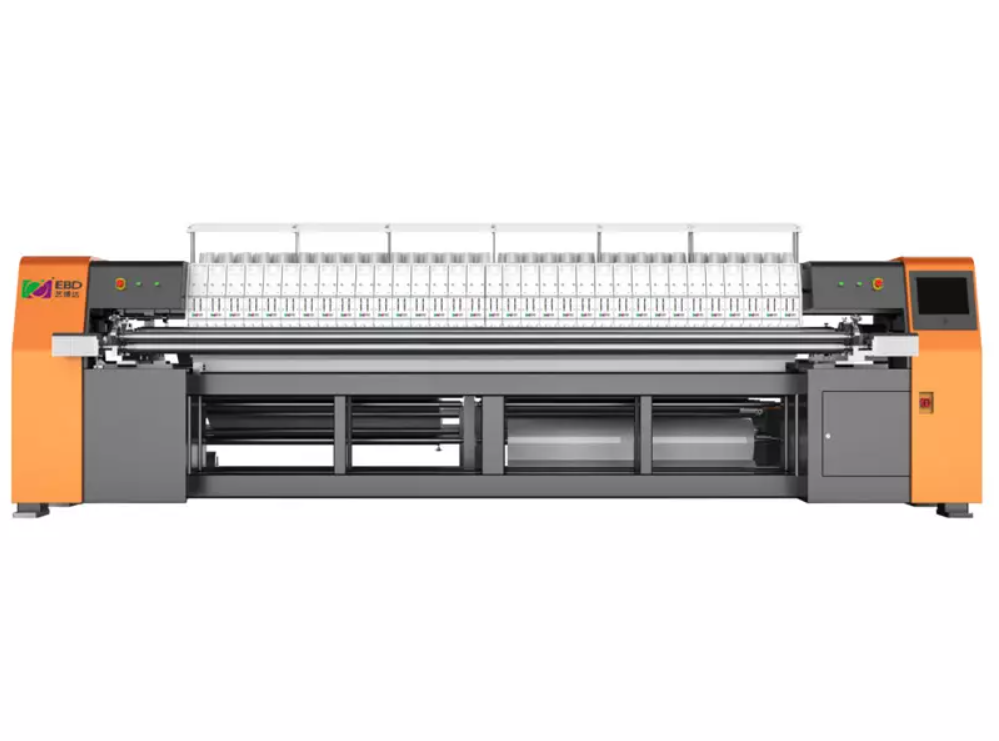
Single-needle quilting machines are the go-to choice for detailed, intricate designs. These machines excel in precision, offering control over each stitch, making them ideal for smaller production batches or customized designs.
Manufacturers can achieve fine, artistic quilting with single-needle machines, allowing for personalization in mattress borders. This makes them perfect for high-end mattress makers who want to offer unique and customizable products.
Moreover, single-needle machines tend to be more affordable and compact. For smaller-scale manufacturers or those with limited workspace, single-needle machines are an ideal solution.
Multi-needle quilting machines, on the other hand, are built for speed and efficiency. These machines use multiple needles working in unison, allowing manufacturers to quilt several lines at once. This makes them particularly suitable for large-scale mattress production, where time efficiency and high output are essential.
The automation features of multi-needle machines also help reduce the need for manual intervention, making them a perfect fit for businesses that need to meet large production demands with minimal effort. These machines maintain consistency, ensuring each mattress border looks identical, which is critical for mass production.
Feature | Single Needle Machine | Multi Needle Machine |
Best for | Detailed, intricate designs | Large-scale production |
Precision | High | Moderate |
Customization | Excellent | Limited |
Speed | Slower | Faster |
Affordability | More affordable | Higher initial cost |
Automation | Minimal | High |
Production Scale | Small to medium | Large-scale |
The scale of your mattress production is one of the most important factors to consider when selecting a quilting machine. Single-needle machines are best for low-volume production or when customization is required, as they provide a higher level of detail and control.
However, if you’re looking to produce large quantities of mattresses quickly, multi-needle machines are the clear choice. Their ability to quilt multiple lines at once drastically reduces production time, enabling businesses to meet high demand without compromising on quality.
For mattress manufacturers who prioritize uniqueness, single-needle machines are the best choice. These machines allow for intricate, custom patterns that cater to niche markets or high-end products. If customization is a key selling point for your brand, investing in single-needle machines may be the right option.
On the other hand, for businesses that focus on large-scale production and need to deliver standardized designs consistently, multi-needle machines are the optimal choice. They ensure uniformity across multiple mattresses, making them ideal for companies that focus on mass production.
When it comes to budget considerations, single-needle machines generally have lower upfront costs, making them a more affordable option for small businesses or startups. They also tend to have lower maintenance and operational costs.
In contrast, multi-needle machines come with a higher initial investment but can lead to long-term savings by significantly boosting production speed. If your business handles a high volume of mattress orders, investing in a multi-needle quilting machine could be more cost-effective in the long run.
Key Consideration | Best Choice |
Production Volume | Multi Needle Machine |
Customization Needs | Single Needle Machine |
Initial Investment | Single Needle Machine |
Speed and Efficiency | Multi Needle Machine |
Multi-needle machines are a game-changer for businesses that need to meet high production demands. These machines can quilt several lines of stitching at once, dramatically increasing production speed. As a result, businesses can fulfill large orders faster and with fewer resources, leading to improved profitability.
By automating much of the quilting process, multi-needle machines also reduce the need for skilled labor, making them a more efficient choice for large operations.
One of the primary advantages of multi-needle machines is their ability to produce identical results with every run. Consistency is key in mattress production, particularly when manufacturers are required to meet specific quality standards or deliver a uniform product across multiple batches.
Automation and advanced control systems in multi-needle machines ensure that each mattress border is quilted to the exact specifications, maintaining uniformity and high-quality results. This level of precision is essential for businesses aiming to build a reputation for consistent, reliable products.
Feature | Multi Needle Machine |
Production Speed | High |
Resource Efficiency | Improved |
Labor Requirements | Reduced |
Consistency and Uniformity | High |
Automation | Advanced |
Single-needle machines are ideal for manufacturers who focus on creating intricate, high-end mattress borders. These machines give quilters precise control over each stitch, allowing them to execute complex designs that can’t be achieved with multi-needle machines.
For custom mattress makers, single-needle machines provide the flexibility to design and create personalized borders for unique customer orders. The ability to control every stitch ensures that the final product meets the exact specifications.
For businesses that produce smaller batches of mattresses or specialize in custom orders, single-needle machines can be a more affordable choice. Their lower upfront cost and reduced operational expenses make them an excellent option for businesses that focus on quality over quantity.
Single-needle machines are also compact and easy to store, making them a good fit for smaller workshops or businesses with limited space.
Feature | Single Needle Machine |
Precision and Control | High |
Customization | Excellent |
Cost | Lower Initial Investment |
Production Scale | Small to Medium |
Storage and Space Efficiency | Compact |
Selecting the right quilting machine depends heavily on your business goals. If your focus is on mass production with quick turnaround times, multi-needle machines should be your top choice. However, if you’re aiming to offer personalized, high-end mattress products, a single-needle machine will give you the control and precision needed.
Evaluating your business’s size, production volume, and product offerings will help guide your decision. A small-scale operation that thrives on customization may find single-needle machines more suitable, while a large manufacturer might benefit from the efficiency of multi-needle machines.
When choosing between single-needle and multi-needle quilting machines, consider the following steps:
● Assess your production volume and the need for speed versus customization.
● Evaluate the types of mattress borders you want to create—whether intricate and unique or consistent and uniform.
● Factor in budget constraints, long-term operational costs, and maintenance requirements.
● Test out machines if possible to understand their capabilities and limitations in real-world production.
Choosing between multi-needle and single-needle quilting machines for mattress borders depends on your business scale and goals. Single-needle machines offer precision for detailed designs, while multi-needle machines provide speed and consistency for high-volume production.
By evaluating your production needs and budget, you can make an informed choice. Yiboda Industrial Co., Ltd. offers a range of Industrial Quilting Machines designed to enhance efficiency and quality, helping manufacturers meet their goals.
A: Single-needle machines offer precision for intricate designs, while multi-needle machines provide speed and consistency for large-scale production. Both types of Industrial Quilting Machines cater to different production needs.
A: Multi-needle quilting machines are ideal for high-volume mattress production, offering faster speeds and consistent results, making them essential in industrial settings.
A: Single-needle machines are more affordable upfront, while multi-needle Industrial Quilting Machines have a higher initial cost but lead to long-term savings in high-volume production.
A: Yes, single-needle machines excel in creating custom and intricate mattress borders, offering flexibility for specialized designs and unique orders.
A: Industrial Quilting Machines improve efficiency, consistency, and speed, making them essential for meeting production goals while maintaining high-quality standards in mattress border stitching.


