

Views: 0 Author: Site Editor Publish Time: 2025-12-22 Origin: Site


Nothing sinks a professional quilter's heart faster than unrolling a finished project and spotting a dark, greasy smear on the backing. For operators of commercial textile equipment, this scenario represents more than just a cleaning headache; it signifies lost revenue, wasted expensive yardage, and potential damage to client relationships. While many operators immediately scramble for laundry detergents, the real solution lies in shifting your mindset from reactive cleaning to proactive machine maintenance. A stain is rarely just an accident; it is usually a symptom of a mechanical oversight or a breakdown in operational protocol.
This guide moves beyond basic laundry tips to address the root causes of fluid leaks in commercial environments. We will cover immediate stain triage to salvage current inventory, but our primary focus is mechanical diagnostics for longarm and midarm units. You will learn how to distinguish between user error and seal failure, regulate oil flow at the hook assembly, and implement long-term fluid management strategies. By mastering these protocols, you protect both your equipment and your reputation.
Identify the Oil Type: Clear oil suggests over-lubrication; black/gritty oil indicates internal component wear or seal failure.
The "Less is More" Rule: 90% of industrial quilting machine leaks are caused by user over-oiling rather than mechanical failure.
Immediate Triage: Use the "Dry-Wet-Dry" method (Absorbents → Solvents → Extraction) before attempting to wash the fabric.
Mechanical Diagnosis: Verify hook oiler flow rates and perform the "Finger Swipe Test" on wicks before adding more lubricant.
Before you attack the fabric with chemicals, you must analyze the machine. The fluid dripping onto your quilt provides critical data about the health of your equipment. Most operators assume a leak means a broken seal, but the reality is often simpler—and more frustrating. Identifying the source prevents the problem from recurring on the next project.
The color and consistency of the oil stain tell a specific story about where the leak originated. This visual inspection is your first step in troubleshooting Industrial Quilting Machines.
Clear or Yellowish Oil: This is usually "clean" oil. If the spot looks like fresh lubricant, the machine is likely structurally sound. This indicates over-filling of reservoirs or saturated wicks that can no longer hold fluid. You are likely being too generous with your daily maintenance routine.
Black or Grey Spots: This is the danger zone. Dark oil indicates the fluid has mixed with metal filings, dust, lint, or oxidized grease. It suggests friction wear between moving parts or a blown seal in the walking foot or needle bar driver. When lubricant bypasses the intended seals, it washes out the "sludge" from the internal mechanics and deposits it onto your clean fabric.
Physics plays a significant role in where and when leaks occur. Industrial longarm machines often have large heads that house the needle bar and hopping foot. When you take a break, you might leave the machine head parked directly over the quilt.
This is a critical operational error. Gravity pulls excess fluid down the needle bar. If the machine sits stationary for an hour, a micro-leak can form a heavy droplet. Upon your return, the moment the machine vibrates, that droplet falls. The solution is establishing strict "Parking Zones." Always move the machine head to the far side of the frame, positioning it over absorbent batting or a magnetic tray, rather than your client's heirloom quilt.
To prevent over-oiling, implement the "Finger Swipe" test before every shift. This tactile check saves more quilts than any cleaning product.
Protocol: Locate the oil wicks on your machine (often found near the needle bar or under the top cover). Gently touch the wick with a clean finger.
Decision Gate: Inspect your finger. If you see a sheen of oil or feel moisture, do not add oil. The wick is saturated and doing its job. If the wick feels dry to the touch, add exactly one drop of oil.
Risk Assessment: Wicks act like sponges. A sponge can only hold so much water before it drips. Over-saturated wicks become "pipes" that channel oil directly out of the machine. By adding oil out of habit rather than necessity, you force the excess fluid to leak immediately upon machine acceleration.
When a leak occurs, panic is your enemy. Rubbing a fresh oil stain with a wet rag often sets the stain permanently or spreads it into a larger halo. Successful removal requires a disciplined, phased approach known as "Dry-Wet-Dry."
Your first goal is to remove the oil physically without wetting the fabric. Water repels oil, pushing it deeper into the fibers. Instead, use a desiccant powder.
Cornstarch, baby powder, or French chalk are excellent absorbents. Pile the powder high directly onto the fresh stain. You want a mound, not a dusting. The powder draws out the hydrophobic lipids via capillary action. This process is not instant. Let the powder sit for 1 to 12 hours depending on the saturation level. As the powder turns yellow or dark, it is absorbing the oil. Brush it off and repeat until the powder remains white.
Once the surface oil is gone, you must attack the oil bonded to the fibers. This requires breaking the chemical bond.
High-surfactant dish soaps, such as Dawn, are engineered to break grease. Apply a small drop directly to the stain. Unlike blood stains which require cold water, oil removal needs heat. Use hot water to help liquefy the lipids, allowing the surfactant to encapsulate the oil molecules so they can be rinsed away.
If you encounter an old, dried oil stain (perhaps on a quilt stored for months), water and soap may fail. The sludge has hardened. Paradoxically, the best solvent is often fresh oil. Apply a drop of fresh, clear sewing machine oil to the old stain. Massage it gently. The fresh oil reactivates the old, dried sludge, turning it back into a liquid state. Once liquefied, you can treat it with degreasers or soap as if it were a fresh stain.
In high-volume production environments using Industrial Quilting Machines, waiting 12 hours for cornstarch is not feasible. Factories use aerosol "Spot Lifters."
These sprays contain a solvent mixed with a fine powder. You spray the stain, and the solvent dissolves the oil while the powder absorbs the mixture. Within minutes, the spray dries to a white powder, which you simply brush or vacuum off. This "waterless" removal prevents water rings and allows for immediate packaging. However, always test these potent chemicals on a scrap first, as they can damage delicate synthetics or silks.
Cleaning fabric is damage control; adjusting your machine is the cure. Industrial machines differ from domestic models because they often feature adjustable oiling systems. You have control over how much fluid reaches the hook assembly.
High-speed rotary hooks require constant lubrication to prevent seizing, but too much oil ruins the thread and fabric. Most industrial units feature an oil regulation valve.
Context: The valve is typically a screw located near the hook shaft or under the machine bed.
Adjustment Logic: Consult your manual, but generally, turning the screw Counter-Clockwise decreases the flow, while Clockwise increases it (some brands reverse this, so verify first).
Tuning: Make small adjustments—quarter turns only. It is a balance between sufficient lubrication and leakage.
Verification: Use the "Temperature Test" to verify your setting. Sew at high speed for several minutes, then stop and touch the bobbin case.
| Bobbin Case Feel | Diagnosis | Action Required |
|---|---|---|
| Cold / Wet | Over-Lubrication | Decrease oil flow immediately. Excess oil is cooling the metal and likely slinging off. |
| Warm | Optimal | No action. Friction is present but controlled. This is the "Goldilocks" zone. |
| Hot / Burning | Under-Lubrication | Increase oil flow. High heat causes metal expansion and can seize the hook assembly. |
Oil wicks are not permanent components. Over time, the felt material compresses and hardens. An old wick loses its capillary ability; instead of holding oil in suspension, it lets gravity pull the fluid straight through. Recommendation: Inspect wicks during your annual deep service. If they feel hard or look compressed, replace them. This restores the "sponge" effect that prevents dripping.
The needle bar driver is a common leak point. It moves up and down thousands of times per minute. If you see black oil specifically around the needle bar, the O-ring or gasket may have failed. While some maintenance is DIY, replacing internal needle bar seals usually requires timing recalibration. This is the decision point to call a certified technician rather than attempting a risky home repair.
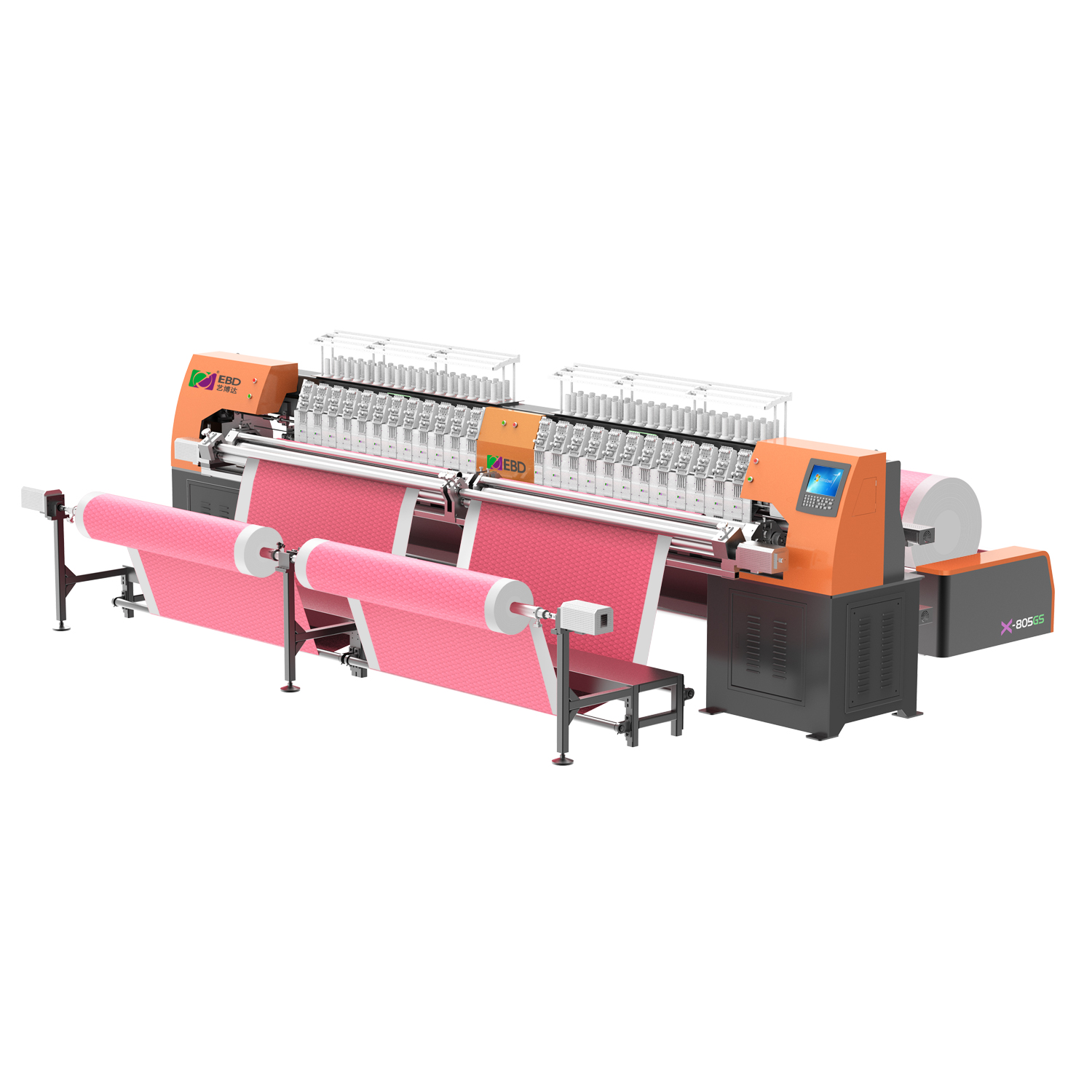
Hardware is only half the equation. Your daily habits determine whether a leak becomes a disaster.
Centrifugal force is your friend if you use it correctly. After oiling your machine, never go straight to the client's quilt. Instead, run the machine on a scrap "leader" cloth for at least two minutes. Accelerate to high speeds. The G-force will expel any excess oil from the hook assembly and needle bar into the scrap fabric. Only once the machine runs clean should you engage the final product.
We touched on gravity earlier, but storage hygiene extends further. When the machine is idle overnight, use "diapers." These can be magnetic trays that snap onto the needle plate or simply scraps of cotton batting placed under the foot. Batting is excellent because it is cheap, highly absorbent, and lint-free. If a micro-leak develops at 3 AM, the batting catches it, not your frame or canvas.
You cannot fix what you cannot see. Standard faceplates on Industrial Quilting Machines are often opaque metal. Consider upgrading to clear polycarbonate faceplates (often sold as "Clear View" kits). These allow you to visually monitor internal oil buildup on wicks and bars during operation. If you see a pool forming inside the casing, you can stop and wipe it out before it breaches the seal. Additionally, mounting a bright LED directed at the needle bar helps you spot the glint of a forming droplet before it falls.
Not all oils are created equal. Using the wrong fluid can degrade seals and cause leaks where none existed.
Avoid generic hardware store oil. It often lacks the refinement necessary for high-speed textile equipment. It may yellow over time or become gummy, leading to the "black sludge" issue. Use only manufacturer-specified "water-white" refined oil. These oils are formulated to be scourable, meaning they emulsify easily in water/detergent if a stain does occur.
When cleaning the machine itself (not the fabric), choose your chemicals wisely.
Alcohol: Generally avoid using isopropyl alcohol for internal cleaning. It can strip necessary protective films from metal parts and cause micro-cracking in acrylic reservoirs or faceplates.
Industrial Degreasers: Use specialized fluids like Zoom Spout or textile-specific cleaners for hook assemblies. These clean without causing corrosion or leaving a sticky residue that attracts lint.
The return on investment for proper maintenance protocols is massive. Compare the minimal cost of high-quality oil and a scrap leader cloth against the hundreds of dollars lost replacing a king-size custom quilt or the reputational damage of losing a commercial client. Prevention is always cheaper than replacement.
Start today by implementing the "Finger Swipe" rule—if it’s wet, don't oil it. Upgrade to clear faceplates if your machine model supports them, and keep an industrial spot lifter kit on hand for emergencies. By treating your Industrial Quilting Machines with mechanical respect, you ensure that the only thing you leave on the fabric is a beautiful stitch pattern.
A: Black oil indicates the fluid has mixed with contaminants. It is usually a combination of oxidized lubricant, metal filings from internal friction, and dust or lint. This suggests two things: either the machine is overdue for a deep cleaning to remove old sludge, or a seal has failed, allowing internal grease to seep out. It is a sign of wear, not just a spill.
A: No. Canned air forces lint, dust, and oil deeper into the machine’s crevices rather than removing it. This impacted lint can soak up oil and act as a wick, causing delayed leaks later. Always use a small vacuum attachment or a soft lint brush to pull debris out of the machine.
A: Ignore the myth of oiling "every bobbin change" unless your specific manual demands it. Most leaks stem from over-oiling. Follow the "Finger Swipe" test or stick to the manufacturer's run-time recommendation (typically every 4 to 8 hours of actual running time). If the wicks are wet, do not add more oil.
A: Yes, professional dry cleaning is very effective against oil-based stains because they use solvents rather than water. However, it is expensive and inconvenient for large quilts. Immediate spot treatment with the "Dry-Wet-Dry" method or industrial spot lifters is usually faster and more cost-effective for production environments.


