

Views: 0 Author: Site Editor Publish Time: 2025-10-22 Origin: Site


In the world of textile crafting, the distinction between a quilting machine and an embroidery machine is crucial for both hobbyists and professionals. These two machines are designed to serve different purposes, each catering to specific needs in fabric crafting. However, the lines can sometimes blur, especially with the advent of multi-functional machines that combine both features.
A quilting machine is typically used to stitch multiple layers of fabric together, providing the necessary stitching for the quilt top, batting, and backing to stay in place. Quilting machines are designed for durability, allowing users to handle thick layers of fabric with ease. These machines are also often equipped with various stitch patterns to enhance the beauty and design of the quilt.
On the other hand, an embroidery machine is a specialized tool designed to embellish fabric with intricate and decorative stitching. Unlike quilting, embroidery is typically done on a single layer of fabric, and the designs are much more detailed, ranging from monograms to complex logos and artwork. Embroidery machines are usually more precise, offering detailed customization for smaller-scale projects like personalized shirts, towels, and accessories.
Choosing between a quilting machine and an embroidery machine depends largely on your crafting goals. If you're looking to create a quilt, a quilting machine is the way to go. If you're interested in adding intricate designs and patterns to fabrics, an embroidery machine will be a better fit. However, understanding the nuances of each type of machine will help you make an informed decision.
This article delves into the key differences between quilting and embroidery machines, offering insights into their functionalities, applications, and considerations for choosing the right machine based on your specific needs.
A quilting machine is specifically designed for creating quilts, a craft that involves stitching together multiple layers of fabric to make a thicker, warmer material. Quilting machines are built to handle thicker fabrics, and they often include specialized features that make the quilting process more efficient and precise.
The design of the quilting machine is critical when it comes to large quilting projects. Quilting machines are generally divided into long arm and short arm categories.
Long Arm Quilting Machines: These machines are equipped with a large workspace, or "arm," that allows quilters to work on larger quilt sizes. The extended length allows the fabric to move freely, which is vital for long quilting patterns. The long arm also provides a smoother process when quilting large sections without constantly needing to reposition the fabric. Machines with long arms are particularly ideal for large bed-sized quilts or for professional quilters who work on multiple projects at once.
Short Arm Quilting Machines: Short arm machines are compact and more portable. These machines are perfect for those who have limited space or prefer quilting smaller items like table runners, wall hangings, or lap quilts. While short-arm machines may not provide the same expansive reach as long-arm machines, they can still handle a variety of quilting tasks and are often more affordable.
A walking foot is an essential feature for quilting machines, as it ensures that all layers of fabric move together at the same rate during the quilting process. This is particularly important when quilting through multiple layers of fabric, as it prevents the quilt top from shifting or bunching up while stitching. Many quilting machines come with an integrated walking foot, which can be used with both basic and decorative stitches.
The feed system is another crucial aspect of quilting machines. The feed dogs, which are small teeth under the presser foot, help move the fabric through the machine while stitching. In quilting, especially with thick layers, a reliable feed system ensures that the fabric layers are stitched evenly without any puckering or uneven tension.
One of the most popular features in quilting machines is free-motion quilting. This feature allows the quilter to move the fabric freely in any direction, enabling them to create complex designs, such as intricate swirls, flowers, or stippling patterns. Free-motion quilting requires a steady hand and can take time to master, but it opens up endless possibilities for custom quilting designs. Free-motion quilting is especially useful for quilters who want to create their own artistic quilt patterns.
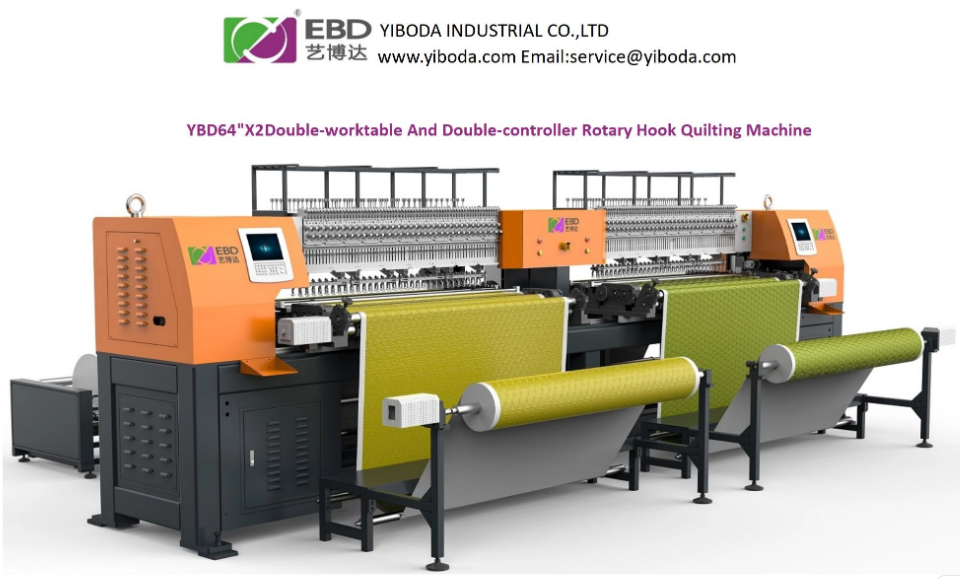
An embroidery machine is a high-tech, precision tool used for creating detailed designs on fabric. Unlike quilting machines, which join multiple layers of fabric together, embroidery machines are designed for applying decorative patterns to a single layer of fabric. Whether for personal projects, gifts, or branding, embroidery machines make it easy to create complex and beautiful designs quickly and efficiently.
One of the key advancements in embroidery machines is the ability to import custom designs. Many embroidery machines come with built-in design libraries that include hundreds of patterns and designs that can be used immediately. In addition, these machines allow users to upload their own designs from a USB drive, computer, or directly from online resources.
The design editing feature allows users to manipulate uploaded designs by adjusting their size, orientation, or stitch density before the machine embroiders the pattern. This feature is ideal for anyone looking to create custom designs, such as personalized gifts or logos for a business.
Advanced embroidery machines come equipped with multi-needle systems, allowing the user to embroider with several colors of thread without needing to manually change the threads during the process. Typically, embroidery machines come with anywhere from 4 to 10 needles, each loaded with a different color thread. This feature is crucial for completing large or complex embroidery projects with multiple colors, saving time and reducing the chance of errors.
Embroidery machines also feature automatic thread cutting, which is a huge convenience for users. Once a section of the design is completed, the machine automatically cuts the thread, making the process more seamless. This feature prevents the user from needing to stop and manually cut the thread, ensuring the project progresses smoothly.
Quilting Machines: Quilting machines are designed specifically for creating quilts, which involve stitching multiple layers of fabric together. These machines are built for bulk stitching and often use strong, durable stitches that hold the quilt layers together.
Embroidery Machines: In contrast, embroidery machines are designed for intricate, decorative stitching on a single layer of fabric. These machines are perfect for adding personalized designs like logos, monograms, and custom artwork. They are highly precise and capable of handling complex designs that would be impossible to achieve by hand.
Quilting Machines: These machines typically offer basic stitch types, such as straight stitches, zigzag stitches, and specific quilting patterns like stippling or feather quilting. They are designed for strength, precision, and uniformity in stitch lengths.
Embroidery Machines: These machines use more intricate stitch types such as satin stitches, fill stitches, and running stitches. Embroidery machines also allow for high levels of customization in stitch density, size, and color, enabling the creation of more complex designs.
Quilting Machines: Ideal for large-scale projects such as quilts, bedspreads, and wall hangings. These machines are also used for commercial quilting tasks, creating items like quilted bags, bedding, and other fabric-based products.
Embroidery Machines: Perfect for smaller-scale projects, such as embroidered logos, monograms, and decorative designs. Common uses include personalized gifts (towels, shirts), branded apparel, and intricate home decor like embroidered tablecloths and cushions.
If you plan to make quilts or other layered fabric projects, a quilting machine is your best option. These machines are specifically designed to handle multiple fabric layers, which is essential for quilting. A long-arm quilting machine is an excellent choice for professional quilters or those working on larger quilts, as it provides the space and precision needed for larger projects.
If you are just starting with quilting, a short-arm quilting machine will work well for smaller projects like lap quilts, table runners, and wall hangings. Look for machines that offer stitch regulation, adjustable speed, and walking feet for easier maneuvering.
An embroidery machine is the right choice for anyone wanting to add intricate, decorative patterns to their fabric projects. Embroidery machines are perfect for creating personalized gifts, logos, or any project requiring detailed design work. Whether you’re working with monograms, logos, or floral patterns, an embroidery machine offers the precision and customization you need.
An automatic thread cutting feature, multiple needles, and computerized design editing are ideal for those who wish to customize their embroidery projects, making them more efficient and creative.
For those who want the best of both worlds, investing in a hybrid quilting and embroidery machine might be the right choice. These machines provide both quilting capabilities and embroidery functions, offering the flexibility to handle different types of fabric projects. While they may not offer the same precision as dedicated machines for each task, they are a versatile option for crafters who work on both quilting and embroidery projects.
Choosing between a quilting machine and an embroidery machine depends on your specific needs and the types of projects you plan to undertake. Quilting machines are perfect for larger, multi-layered projects like quilts, while embroidery machines focus on adding decorative designs to fabric. Understanding the key differences between these two types of machines will help you make an informed decision.
For those seeking versatility, hybrid machines that offer both quilting and embroidery functions, such as those offered by EBD Industrial Co., Ltd., provide a comprehensive solution for a wide range of fabric projects, making them an excellent investment for crafters and professionals alike.
While embroidery machines can perform some basic quilting tasks, they are generally not designed for quilting multiple fabric layers. Quilting machines are equipped with features like stitch regulation and feed mechanisms that ensure the layers of fabric move evenly. If you are serious about quilting, investing in a dedicated quilting machine is the best choice.
For beginners, it’s important to choose a quilting machine that is easy to use and offers essential features like stitch regulation, adjustable speed, and basic quilt patterns. Machines like the Brother PQ1500SL are often recommended for beginners due to their user-friendly interface and affordability while still offering professional quilting capabilities.
Some advanced embroidery machines are designed to handle heavier materials like denim, canvas, or leather. However, not all machines are capable of this, so it is essential to check the machine's specifications before purchasing. Industrial-grade embroidery machines are typically more equipped to handle thicker materials.
If you primarily work on larger quilts, such as bed-sized or king-sized quilts, a long-arm quilting machine is your best option. These machines provide more space and allow the fabric to flow smoothly without constant repositioning. If you mostly work on smaller quilts or have limited space, a short-arm quilting machine will meet your needs and be more affordable.


